“I am seeking. I am striving. I am in it with all my heart,” said Vincent van Gogh.
After watching John with his paintbrush and paper or a hook knife and wood for many years, I have seen a certain look in his eyes as he visualized and then created.
When John and I visited the SAR Museum and library in Louisville, Kentucky several years ago, I bought a scarf in the store. I was intrigued by the pattern and delicacy of the flowers on the black background. The story of the creator Mary Delany, who started a career, at 72 in the 18th century amazed me, and I thought you might be, too.
Imagine starting your life’s work at seventy-two. At just that age, Mary Granville Pendarves Delany (May 14, 1700-April 15, 1788), a fan of George Frederic Handel, a sometime dinner partner of satirist Jonathan Swift, a wearer of green-hooped satin gowns, and a fiercely devoted subject of blond King George III, invented a precursor of what we know today as collage.
After her second husband died, she was given a cottage at Windsor by her friends George III and his queen Charlotte. An acquaintance during her life of virtually everyone worth knowing, including political figures such as Edmund Burke and the writer Fanny Burney, she was a popular figure into her old age, and her written work is a valuable asset for Georgian historians.
One afternoon in 1772 she noticed how a piece of colored paper matched the dropped petal of a geranium. After making that vital imaginative connection between paper and petal, she lifted the eighteenth-century equivalent of an X-Acto blade (she’d have called it a scalpel) or a pair of filigree-handled scissors — the kind that must have had a nose so sharp and delicate that you could almost imagine it picking up a scent. With the instrument alive in her still rather smooth-skinned hand, she began to maneuver, carefully cutting the exact geranium petal shape from the scarlet paper. (She ignored her arthritis and poor vision.)
Then she snipped out another.
And another, and another, with the trance-like efficiency of repetition — commencing the most remarkable work of her life: a series of almost a thousand cut paper botanical collages, each flower composed of hundreds of dots, squiggles, and moons of bright paper on dramatic black backgrounds. Each flower steps forth as onto a lit stage and takes center stage.
Seventy-two years old. It gives a person hope. It gives me hope of the other books and articles I want to write.
Mrs. Delany’s Passion Flower, Passiflora laurifolia Under a Magnifying Glass
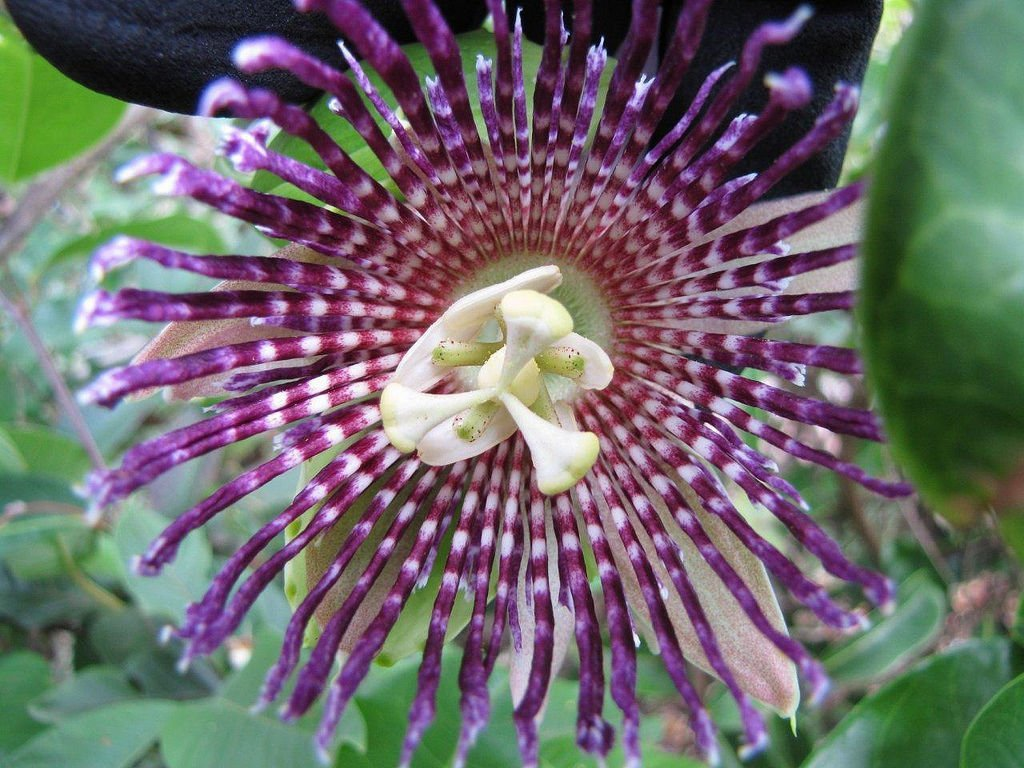
When Mrs. D. picked up her scissors, grief was the chief prompt. After the death of her beloved second husband Dean Patrick Delany in 1768, which followed the death of her sister Anne in 1761, she wrote that she considered each of her flower portraits to be “an employment and amusement, to supply the loss of those that had formerly been delightful to me; but had lost their power of pleasing; being depriv’d of that friend, whose partial approbation was my pride, and had stampt a value on them.”
The Paper Garden is a biography of this woman, and here is her portrait.
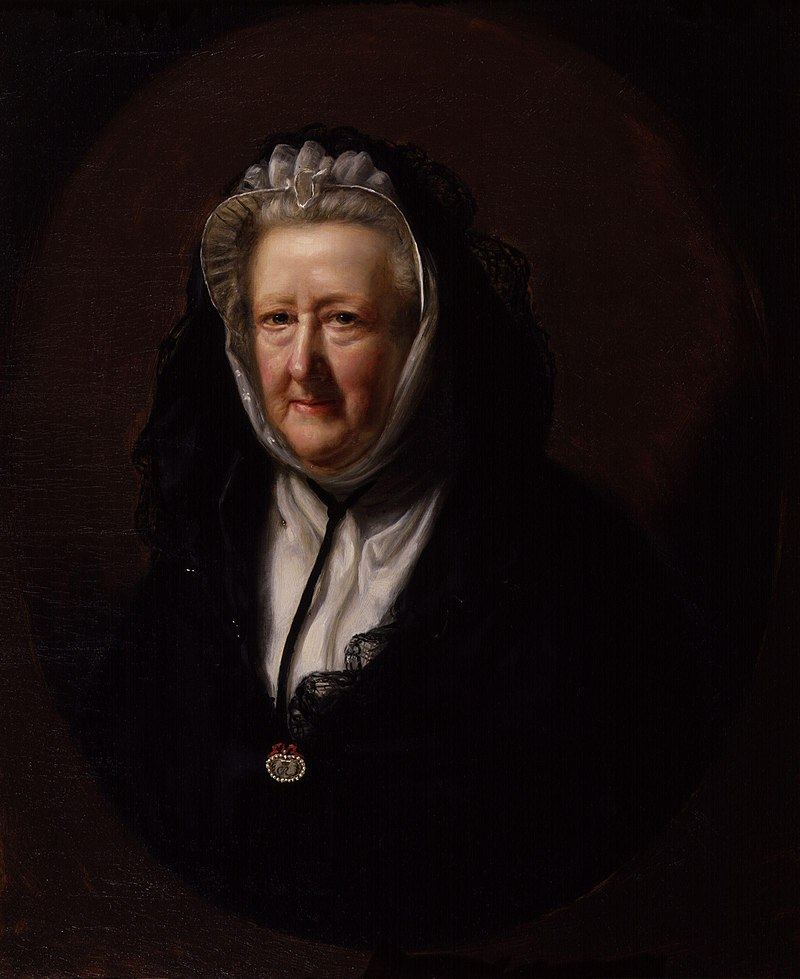
Mary Granville Pendarves Delany
Surviving an arranged marriage at 17 to a sixty-one-year-old alcoholic and then a loving second marriage, she combined propriety and inner fire when she designed her own clothes, crafted exquisite embroidery, took drawing lessons with Louis Goupy, cultivated stalwart, lifelong friends (and watched her mentor William Hogarth paint a portrait of one of them), played the harpsichord and attended John Gay’s The Beggar’s Opera, owned adorable cats, and wrote six volumes’ worth of letters — most of them to her sister, Anne Granville Dewes (1701-61), signifying a deep, cherished relationship that anyone with a sister might understand. In those letters are reminisces of the royals, their family, and court life that have helped historians with their research on the Georgian age.
Here are photos of her paintings that can be seen in the British Museum. A delicate touch mixed with precision join in her work.
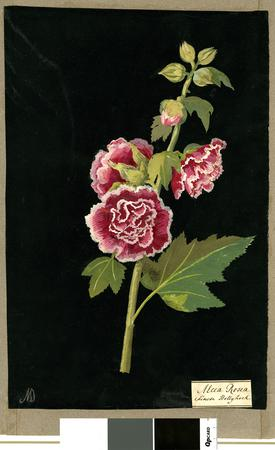

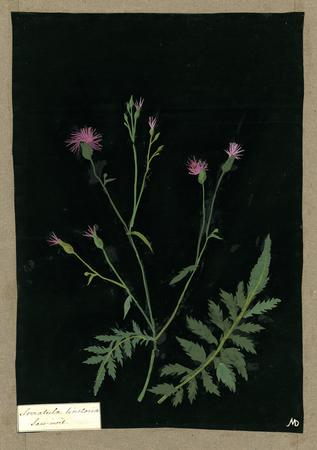
I am amazed at what she did. No, she didn’t live in the colonies, as they were called then, but in the middle of London society. She chose her own path and created beauty through paper blooms. I love my scarf. Every time I wear it, I remember this indomitable woman who created a new art for all to admire.
I wonder what new styles, fashions, or grandeurs she might have started in Charlestown?
Henry Ward Beecher said, “Every artist dips his brush in his own soul, and paints his own nature into his pictures.” As we look at her creations, that beauty was in the soul of Mary Delany!
 Sheila Ingle
