Tag Archives: Louis L’Amour

October Thoughts

Apples, pumpkins, and gingerbread are the foods that remind me of October. Smells from the first fire of the season and hot cider on the stove are perfect on any chosen day. Cinnamon toast is a favorite for breakfast, and hot chocolate is for Sunday nights.

There are some childhood memories that I hoard. Kicking leaves up in the air used to be fun. I smile remembering those huge leaf piles that my brother and I raked and then jumped into until they had to be raked again. Football, whether watching or playing, was entertainment in October. Fun was always at the fair, carnivals at school, and trick-or-treating. 

Elizabeth George Spear wrote, “In October any wonderful unexpected thing might be possible.”

Boredom is not to be found during this month; unexpected happenings and parties were and are always around the corner.

October’s Party
“October gave a party;
The leaves by hundreds came –
The Chestnuts, Oaks, and Maples,
And leaves of every name.
The Sunshine spread a carpet,
And everything was grand,
Miss Weather led the dancing,
Professor Wind the band.

The Chestnuts came in yellow,
The Oaks in crimson dressed;
The lovely Misses Maple
In scarlet looked their best;
All balanced to their partners,
And gaily fluttered by;
The sight was like a rainbow
New fallen from the sky.

Then, in the rustic hollow,
At hide-and-seek they played,
The party closed at sundown,
And everybody stayed.
Professor Wind played louder;
They flew along the ground;
And then the party ended
In jolly “hands around.”
― George Cooper

My grandmother Lulu always added cooked spaghetti noodles to her chili. My mother continued this addition, and so do I. The rest of the recipe is the mundane beef, onions, tomatoes, and red kidney beans; the spaghetti is added toward the end.

I don’t know anyone else that cooks chili this way, but we enjoy it. One day, I asked Daddy why Lulu added the spaghetti. With a smile, he informed me that it was an easy way to stretch the recipe and fill up her family and the workers on Mirror Lake Farm.
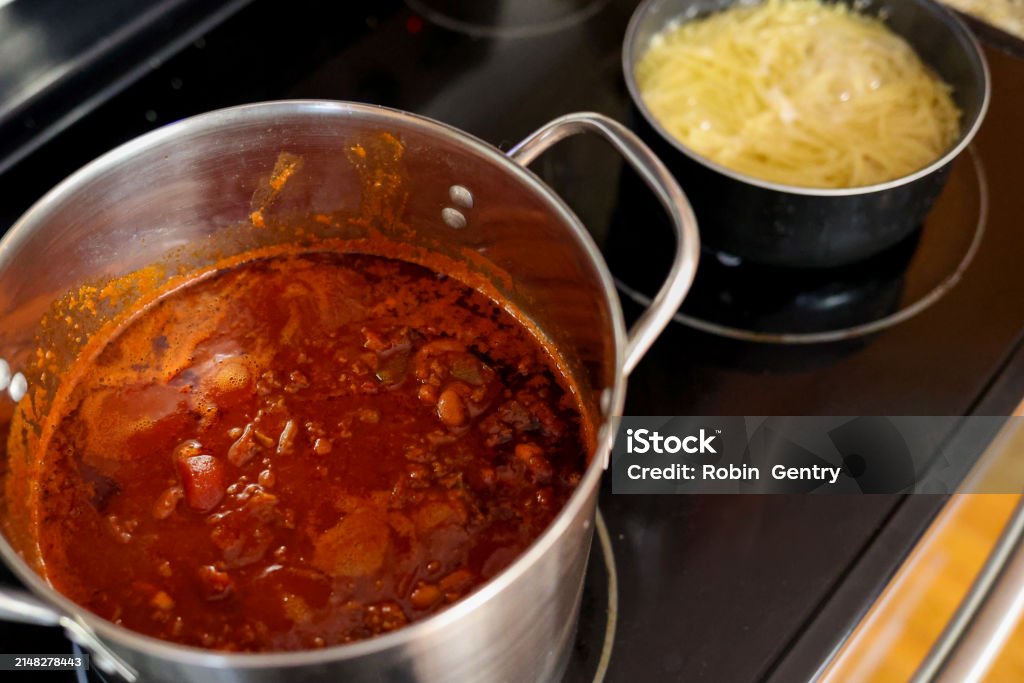
Well, I don’t have that many to feed, but every time I make chili, I remember Lulu and add the spaghetti. This simple act transports me back to the past and the wonderful vacations we spent on her Kentucky farm. My mind goes from one picture to another, as it wanders; the collection is endless and precious.

Louis L’Amour said, “No memory is ever alone; it’s at the end of a trail of memories, a dozen trails that each has its own associations.”

As we continue to clean up after Hurricane Helene, yesterdays memories can become today’s fun. We bought our first gallon of apple cider and enjoyed its scent and flavor yesterday. There will be a pot of chili simmering on the stove today. It’s time to buy pansies to brighten up the porch and welcome us and friends.

Enjoy these days in October.

Charleston Library Society

Image result for charleston library society photos


Established December 28th, 1748 by nineteen young gentlemen of various trades and professions wishing to avail themselves of the latest publications from Great Britain, these men wished not only to keep abreast of the intellectual issues of the day but also to “save their descendants from sinking into savagery.” Ten pounds sterling bought their first order.

The initial group consisted of nine mer­­­­chants, two lawyers, a schoolmaster, a physician, two planters and a peruke maker (wig-maker).

  • Alexander Baron, schoolmaster from Scotland
  • Morton Brailsford, merchant
  • Samuel Brailsford, merchant
  • Robert Brisbane, merchant
  • John Cooper, merchant and distiller
  • James Grindlay, lawyer
  • William Logan, merchant
  • Alexander McCauley, peruke (wig) maker
  • Patrick McKie, physican
  • Thomas Middleton, planter
  • John Neufville, merchant
  • Thomas Sacheverell, planter
  • John Sinclair, merchant
  • Charles Stevenson, merchant
  • Peter Timothy, printer
  • Joseph Wragg, merchant
  • Samuel Wragg, merchant


First, they ordered pamphlets and magazines from London that had been printed the year before. Then they started ordering books; copies of classical books were a priority. The society was “in a large measure, a social club,” and by 1750 had about 160 members. Leaders in Charlestown’s society coveted membership.

Image result for View of Charleston by W.R. Miller, 1853

View of Charleston by W.R. Miller, 1853

Below is a water rice mill drawing view of SC John Drayton, original bound books, and an early painting.

Image result for water rice mill drawing view of SC John Drayton,

Image result for water rice mill drawing view of SC John Drayton,

As Ralph Waldo Emerson said, “If we encounter a man of rare intellect, we should ask him what books he reads.”

This organization paved the way for the founding of the College of Charleston in 1770; a goal of the membership was to promote education. By purchasing scientific instruments and providing regional exhibits, they promoted the study of the regional natural history. This was the origins for the founding of the Charleston Museum (the first in America) in 1773.

This collection was quite mobile. At first, elected librarians safeguarded the Library’s materials in their homes. In 1755, William Henderson was elected librarian of the Society, and collecting he moved the collections into the Free School (of which he was headmaster) on Broad Street. From 1765 until 1778, it resided in the upstairs of Gabriel Manigault’s liquor warehouse. In 1792, the collection was transferred to the upper floor of the Statehouse, currently the County Courthouse at Broad and Meeting.

Image result for charleston library society photos

From 1835 until its 1914 move to the current King Street location, the Charleston Library Society occupied the Bank of South Carolina building at the corner of Church and Broad Streets. For their building fund, they sold “brick” memberships to the public.

This video takes us up the steps and inside the Library.

https://www.facebook.com/dialog/share?href=https%3A%2F%2Fvimeo.com%2F105079334%3Fref%3Dfb-share&display=popup&app_id=19884028963&redirect_uri=http%3A%2F%2Fplayer.vimeo.com%2Fshare_confirmation

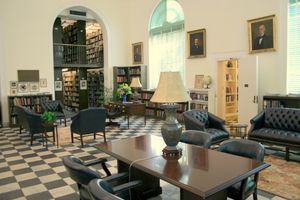
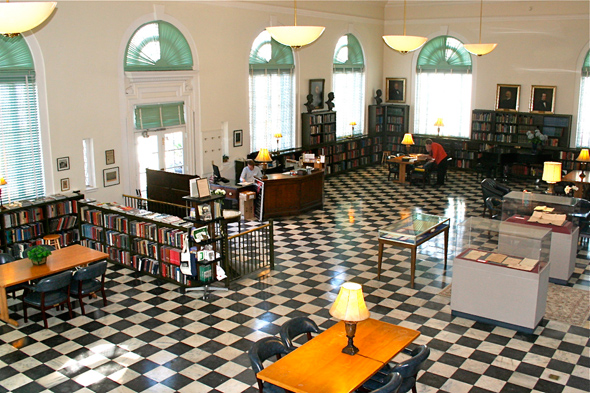
Open for luncheons, author events, weddings, research, meetings, and whiling away a morning in the middle of another world, the Library is a popular venue in Charleston today. The newspaper collection dates back to 1732. The materials housed in the Library Society’s Archives and Special Collections contain more than 14,500 rare books, 5,000 rare and semi-rare pamphlets, 400 manuscript collections, and 470 maps and plats.

Image result for charleston library society photos

“In 1914 the Library Society moved to its current location at 164 King Street. This was the first building to house our collection that was designed and built for the Society. Here, in this new building, members like DuBose Heyward, John Bennett, Beatrice Witte Ravenel, Albert Simons, Josephine Pinckney, and many others, studied and read and wrote, diligently weaving the cultural fabric of 20th-century Charleston.”

Image result for charleston library society photos

Aren’t we grateful that those 19 young men believed in the importance of reading?

Louis L’Amour put it this way, “For one who reads, there is no limit to the number of lives that may be lived, for fiction, biography, and history offer an inexhaustible number of lives in many parts of the world, in all periods of time.”


The Charleston Library Society

Established December 28th, 1748 by nineteen young gentlemen of various trades and professions wishing to avail themselves of the latest publications from Great Britain, these men wished not only to keep abreast of the intellectual issues of the day but also to “save their descendants from sinking into savagery.” Ten pounds sterling bought their first order.


The initial group consisted of nine merchants, two lawyers, a schoolmaster, a physician, two planters and a peruke maker (wig-maker):
• Alexander Baron, schoolmaster from Scotland
• Morton Brailsford, merchant
• Samuel Brailsford, merchant
• Robert Brisbane, merchant
• John Cooper, merchant and distiller
• James Grindlay, lawyer
• William Logan, merchant
• Alexander McCauley, peruke (wig) maker
• Dr. Patrick McKie, physican
• Thomas Middleton, planter
• John Neufville, merchant
• Thomas Sacheverell, planter
• John Sinclair, merchant
• Charles Stevenson, merchant
• Peter Timothy, printer
• Joseph Wragg, merchant
• Samuel Wragg, merchant

First, they ordered pamphlets and magazines from London that had been printed the year before. Then they started ordering books; copies of classical books were a priority. The society was “in a large measure, a social club,” and by 1750 had about 160 members. Leaders in Charleston’s society coveted membership.

As Ralph Waldo Emerson said, “If we encounter a man of rare intellect, we should ask him what books he reads.”

This organization paved the way for the founding of the College of Charleston in 1770; a goal of the membership was to promote education. By purchasing scientific instruments and providing regional exhibits, they promoted the study of the regional natural history.

This also was the origins for the founding of the Charleston Museum (the first in America) in 1773. The collection was quite mobile. At first, elected librarians safeguarded the Library’s materials in their homes. In 1755, William Henderson was elected librarian of the Society, and collecting he moved the collections into the Free School (of which he was headmaster) on Broad Street. From 1765 until 1778, it resided in the upstairs of Gabriel Manigault’s liquor warehouse. In 1792, the collection was transferred to the upper floor of the Statehouse, currently the County Courthouse at Broad and Meeting.

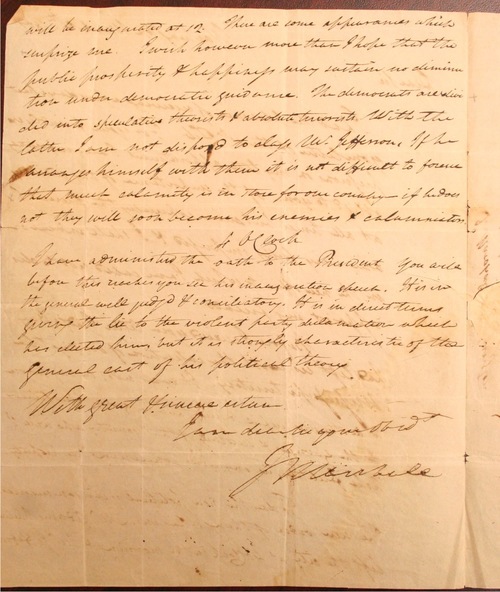
Henry Wadsworth Longfellow collection in the Archives.
From 1835 until its 1914 move to the current King Street location, the Charleston Library Society occupied the Bank of South Carolina building at the corner of Church and Broad Streets. For their building fund, they sold “brick” memberships to the public.

This video takes us up the steps and inside the Library.

https://www.facebook.com/dialog/share?href=https%3A%2F%2Fvimeo.com%2F105079334%3Fref%3Dfb-share&display=popup&app_id=19884028963&redirect_uri=http%3A%2F%2Fplayer.vimeo.com%2Fshare_confirmation

Open for luncheons, author events, weddings, research, meetings, and whiling away a morning in the middle of another world, the Library is a popular venue in Charleston today. The newspaper collection dates back to 1732. The materials housed in the Library Society’s Archives and Special Collections contain more than 14,500 rare books, 5,000 rare and semi-rare pamphlets, 400 manuscript collections, and 470 maps and plats.

Aren’t we grateful that those 19 young men who believed in the importance of reading?

EVENTS AND PROGRAMS
Louis L’Amour put it this way, “For one who reads, there is no limit to the number of lives that may be lived, for fiction, biography, and history offer an inexhaustible number of lives in many parts of the world, in all periods of time.”

Founded in 1748, Continuing to Change Lives

Posted on

Established December 28th, 1748 by nineteen young gentlemen of various trades and professions wishing to avail themselves of the latest publications from Great Britain, these men wished not only to keep abreast of the intellectual issues of the day but also to “save their descendants from sinking into savagery.” Ten pounds sterling bought their first order.
The initial group consisted of nine merchants, two lawyers, a schoolmaster, a physician, two planters and a peruke maker (wig-maker).
• Alexander Baron, schoolmaster from Scotland
• Morton Brailsford, merchant
• Samuel Brailsford, merchant
• Robert Brisbane, merchant
• John Cooper, merchant and distiller
• James Grindlay, lawyer
• William Logan, merchant
• Alexander McCauley, peruke (wig) maker
• Dr. Patrick McKie, physican
• Thomas Middleton, planter
• John Neufville, merchant
• Thomas Sacheverell, planter
• John Sinclair, merchant
• Charles Stevenson, merchant
• Peter Timothy, printer
• Joseph Wragg, merchant
• Samuel Wragg, merchant

First, they ordered pamphlets and magazines from London that had been printed the year before. Then they started ordering books; copies of classical books were a priority. The society was “in a large measure, a social club,” and by 1750 had about 160 members. Leaders in Charlestown’s society coveted membership.
View of Charleston by W.R. Miller, 1853


Below is a water rice mill drawing view of SC John Drayton and the building that holds artifacts such as these.

Image result for charleston library society pictures

As Ralph Waldo Emerson said, “If we encounter a man of rare intellect, we should ask him what books he reads.”
This organization paved the way for the founding of the College of Charleston in 1770; a goal of the membership was to promote education. By purchasing scientific instruments and providing regional exhibits, they promoted the study of the regional natural history. This was the origin for the founding of the Charleston Museum (the first in America) in 1773.
This collection was quite mobile. At first, elected librarians safeguarded the Library’s materials in their homes. In 1755, William Henderson was elected librarian of the Society, and collecting he moved the collections into the Free School (of which he was headmaster) on Broad Street. From 1765 until 1778, it resided in the upstairs of Gabriel Manigault’s liquor warehouse. In 1792, the collection was transferred to the upper floor of the Statehouse, currently the County Courthouse at Broad and Meeting.

Edward Crisp, “A Compleat Description of the Province of Carolina in 3 parts.” 1711.
From 1835 until its 1914 move to the current King Street location, the Charleston Library Society occupied the Bank of South Carolina building at the corner of Church and Broad Streets. For their building fund, they sold “brick” memberships to the public.
This video takes us up the steps and inside the Library.
https://www.facebook.com/dialog/share?href=https%3A%2F%2Fvimeo.com%2F105079334%3Fref%3Dfb-share&display=popup&app_id=19884028963&redirect_uri=http%3A%2F%2Fplayer.vimeo.com%2Fshare_confirmation


Open for luncheons, author events, weddings, research, meetings, and whiling away a morning in the middle of another world, the Library is a popular venue in Charleston today. The newspaper collection dates back to 1732. The materials housed in the Library Society’s Archives and Special Collections contain more than 14,500 rare books, 5,000 rare and semi-rare pamphlets, 400 manuscript collections, and 470 maps and plats.


Image result for restaurant

Aren’t we grateful that those 19 young men believed in the import of reading. Louis L’Amour put it this way, “For one who reads, there is no limit to the number of lives that may be lived, for fiction, biography, and history offer an inexhaustible number of lives in many parts of the world, in all periods of time.”

How about a field trip to the Charleston Library Society?

Design a site like this with WordPress.com
Get started