The Willard Hotel


Image result for willard hotel history and photos

Welcome to the Willard Hotel in Washington, DC. Only two blocks from the White House, elegance and charm greet guests and visitors, as they walk in the door.

Famous and powerful men and women are among those who have frequented this hotel, located on Pennsylvania Avenue and 14th Street.

This grand, international hotel had its origin in a row house, built by Captain John Tayloe in 1816, was leased to Joshua Tennyson for a hotel. Benjamin Ogle Tayloe hired Henry Willard to operate the City Hotel after years of failing profits. When brother Edwin joined the team, they changed the name and enlarged the building.

Twenty- five year-old Henry was special, “meeting his guests as they alighted at the hotel from the stage,” reminisced Ben Perley Poore, a veteran Washington journalist. He was involved in all areas of the business and strived to treat his paying customers as guests; it worked. At dinnertime, “Mr. Willard stood at the head of the dinner table wearing a white apron and carved the joints of meat, the turkeys, and game.”   Before dawn, Henry was down at the Central Market selecting the best for what he would serve in his dining room that evening.

In 1855, the famous poet, Emily Dickinson and her sister sojourned there.

Word began to spread about the elegance. A lavish ball, attended by 1800 guests in honor of retiring British minister Lord Napier brought prestige to Willard’s Hotel in 1859. The food, entertainment, and lavish setting made eyebrows raise. The guests feasted on steak tartare and blinis in the Willard Room. They ate Schwartzwalder torte, chocolate candy, pecan balls, mint squares cake, petit fours, and dozens of other desserts in the Crystal Room.

Image result for photo of lord napiers ball at willard

For the Japanese delegation that arrived the next year, the Willard’s mirrors, piano, gaslight, running water, and toilets were wonderful. All was first-class.

The hotel would remain among the first to try the latest conveniences and attractions, including the telephone in 1878, the first moving-picture show in town in 1897, and air-conditioning in 1934.

Constant individual attention to details was important to Henry, and his standard was continued.

President-elect Lincoln and his family had a comfortable suite on the second floor for the ten days before his inauguration. The problem of his aching feet was solved quickly with typical Willard ingenuity. In the rush to conceal his arrival in Washington, Lincoln had forgotten his bedroom slippers. But Henry’s wife had just knitted a colorful pair for her grandfather, who had big feet, like the President. Lincoln borrowed them for the duration of his stay at the hotel. On a side note, for Lincoln’s inaugural dinner, he was served a simple meal of Mock Turtle Soup, Corned Beef and Cabbage, Parsley Potatoes, and Blackberry Pie at the hotel.

During the War, author Nathaniel Hawthorne described the hotel as “may be much more justly called the center of Washington and the Union than either the Capitol, the White House, or the State Department… Hawthorne added: “You exchange nods with governors of sovereign states; you elbow illustrious men, and tread on the toes of generals; you hear statesmen and orators speaking in their familiar tones. You are mixed up with office seekers, wire pullers, inventors, artists, poets, prosers until identity is lost among them.”

In 1862, Julia Ward Howe penned the immortal words of the Battle Hymn of the Republic in her room there.

A British newspaper man covering the war wrote about his breakfast of “black tea and toast, scrambled eggs, fresh spring shad, wild pigeon, pig’s feet, two robins on toast, oysters and a quantity of breads and cakes.” (Quite different from President Lincoln’s meal.)

Image result for photo of lord napiers ball at willard


Willard’s, seen here during the Civil War, was full of well-furnished rooms.

“The writer Nathaniel Hawthorne, who visited Washington in 1862, observed that ‘Willard’s Hotel could more justly be called the center of Washington and the Union than either the Capitol, the White House, or the State Department. . . . You are mixed up here with office seekers, wire pullers, inventors, artists, poets, editors, Army correspondents, attaches of foreign journals, long-winded talkers, clerks, diplomatists, mail contractors, railway directors—until your identity is lost among them.'”

When Ulysees Grant arrived in Washington with his son Fred on March 8, 1864, checking into the Willard Hotel, where the desk clerk, gave the once-over to this scruffy looking soldier, assigned the two to a small room on the top floor. Then he told Grant that he would have to carry his luggage himself as no porters were available.  Grant agreed and signed the register “U.S. Grant and son, Galena, Illinois.”  The stunned clerk realized then that the new commander of all Union armies was standing in front of him. The embarrassed man swiftly backtracked and switched Grant to a suite on the second floor. He then personally carried Grant’s luggage to his room.

What a difference a few years can make in a greeting to the same man.

Leaving the White House, President Grant would often settle in the Willard lobby for a cigar and brandy. It is said that he began to call those that accosted him “lobbyists.” (Even now in 2018, frequent visitors spend time in this same venue.”

The Round Robin [Photo: Official]

This hotel constantly hosted those seekers in Washington. Established in 1848, the Red Robin bar was a frequent meeting place. The University Club of Washington was founded in the hotel’s Red Room in 1904, then in 1908, the National Press Club was founded.


Nothing was too lavish during the Gilded Age, as visitors thronged the dining room.

Willard Hotel during the Gilded Age

Presidents Taylor, Fillmore, Pierce, Buchanan, Lincoln, Grant, Taft, Wilson, Coolidge and Harding stayed at the Willard. Besides other notable guests mentioned, others have included Charles Dickens, Buffalo Bill, David Lloyd George, P.T. Barnum, and countless others. Walt Whitman included the Willard in his verses, and Mark Twain wrote two books there in the early 1900s.

View of the Willard
(a 1900 view of the rebuilt hotel of 12 stories)
“Besides living at The Willard during his entire term as Vice President, Calvin Coolidge remained at the hotel while Mrs. Harding moved out of The White House. It was during this time in which the Presidential flag flew outside the hotel.”

Dr. Martin Luther King, Jr. sat in the hotel lobby with his closest advisors to make final edits to his famous “I Have a Dream” speech just hours before delivering it on the steps of the Lincoln Memorial in 1963.

The Willard closed its doors in 1968 and opened them to new ownership and restoration in 1983. And then in 2000, another multi-million dollar renovation took place.

Image result for willard hotel rooms

Image result for willard hotel rooms

Today 335 rooms are available.

Image result for willard hotel rooms

Tradition, elegance, and style continue to abound at this Washington address, as they have for almost 2002 years.

“It takes an endless amount of history to make even a little tradition.” Henry James

The Willard Hotel oozes tradition, and I want to sit-a-spell there.

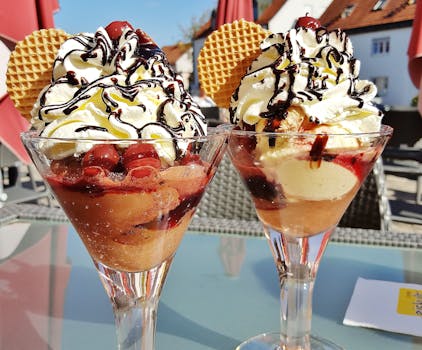
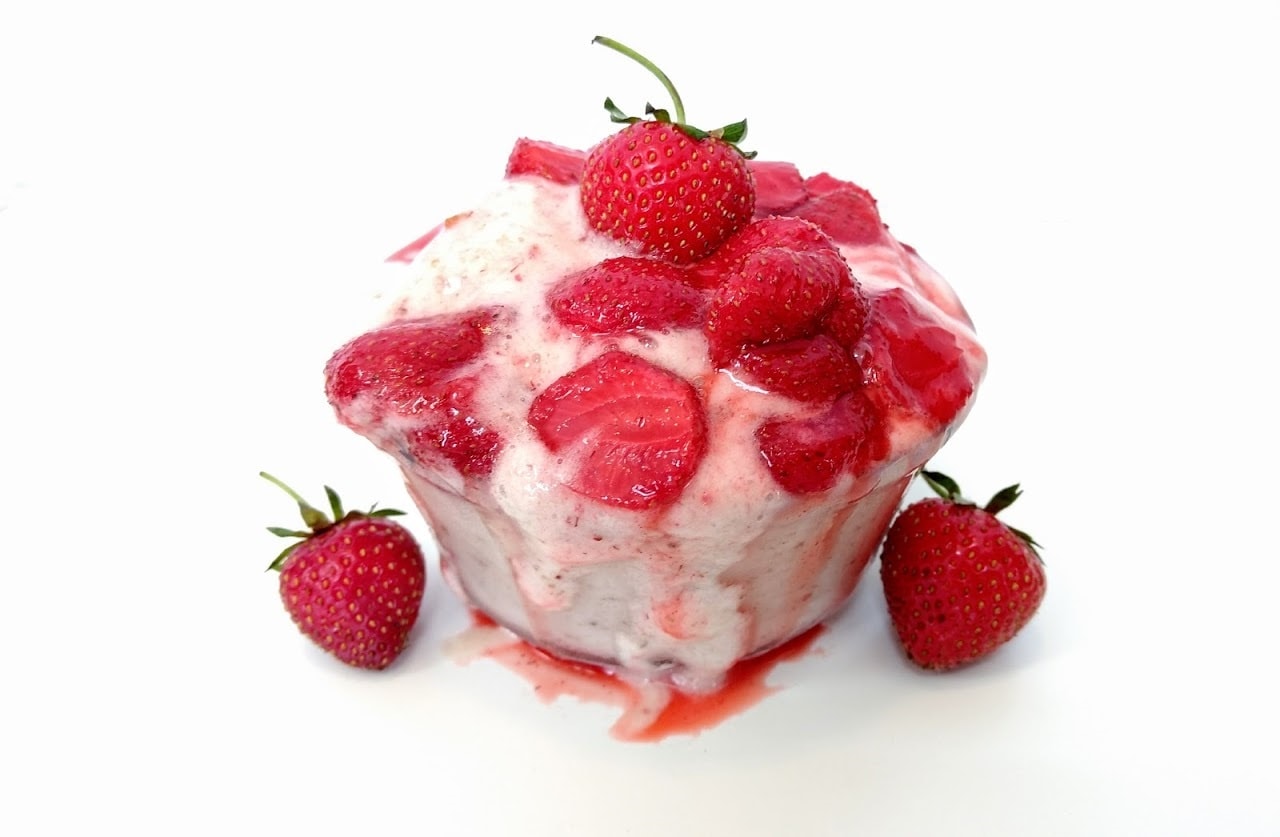
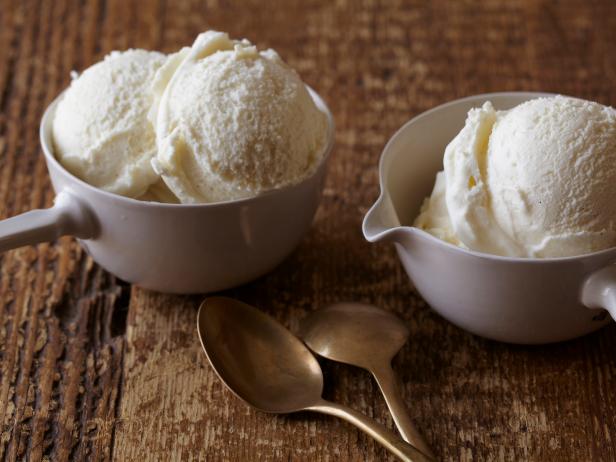
National Ice Cream Day – Today

I grew up in a family that loved ice cream. There was always ice cream in our freezer and at our grandparents. Sometimes it was even homemade.

A favorite way to celebrate a weekend during the summer was my dad making ice cream. Mother made the custard, and then we did the rest. They invited neighbors and friends to enjoy the ice cream with us. Any leftovers went into the freezer.

Image result for antique ice cream churns

After the custard was poured into the metal container, Daddy carefully layered ice and salt around it. And then the work started! My brother Critt, Daddy, and I took turns turning the crank until it wouldn’t turn any more. Of course, it was ready for eating right then, but there was always a wait period to let it set. We didn’t care if it was a little runny, but management had different ideas.

In Shelbyville, Kentucky, where my grandmother Lulu lived, there was a family-owned ice cream parlor. At Mirror Lake Farm, there was never any grocery-bought ice cream, only from the small parlor. My dad’s favorite was banana, mine chocolate, Critt’s strawberry, and Mother’s butter pecan. What was at Lulu’s house was never enough. During our vacation visits, there was always at least one stop to get cones filled with our favorite flavors.

Image result for ice cream photos

Granddaddy, my mother’s father, ate a large bowl of ice cream every night before he went to bed. He was not picky as to the flavor and would even mix flavors sometimes. This 5′ 10″ man had a phenomenal appetite, but stayed skinny his whole life. Even if ice cream was served for dessert at supper, he still was ready for his bedtime snack.

Image result for ice cream photos

Biltmore ice cream was a favorite to all of us. Often Sunday afternoon sojourns were made to the Biltmore Dairy Bar in Asheville. Absolutely decadent treats, like banana splits and ice cream sundaes, were enjoyed. And it is no wonder that all was delicious: the ice cream was 15-18% butterfat! There was always a line to even get in that building. Daddy, whose aversion to lines since his time in the Army, never seemed to fuss about this line.


Biltmore Farms was organized in 1897, and delivery trucks took milk, cream, butter,and ice cream to their Asheville neighbors. Comparing the two photos below shows how these trucks evolved. Thank you, George Vanderbilt, for bringing those Jersey cows to North Carolina!

Related image

Image result for biltmore dairy bar photos

I continue to be startled by my ignorance. It was only in watching the news this morning that I found out it was National Ice Cream Day! Who knew?

Obviously, President Ronald Reagan was a fan of ice cream, too. I found this Presidential Proclamation issued by him in 1984. The celebrations were originated by Joint resolution 298, which was aptly sponsored by Senator Walter Dee Huddleston of Kentucky on May 17, 1984. The President wanted to promote our dairy farmers (my grandmother Lulu was one), and of course, ice cream is certainly the best product made out of milk.

National Ice Cream Month and National Ice Cream Day, 1984

By the President of the United States of America

A Proclamation

Ice cream is a nutritious and wholesome food, enjoyed by over ninety percent of the people in the United States. It enjoys a reputation as the perfect dessert and snack food. Over eight hundred and eighty-seven million gallons of ice cream were consumed in the United States in 1983.

The ice cream industry generates approximately $3.5 billion in annual sales and provides jobs for thousands of citizens. Indeed, nearly ten percent of all the milk produced by the United States dairy farmers is used to produce ice cream, thereby contributing substantially to the economic well-being of the Nation’s dairy industry.

The Congress, by Senate Joint Resolution 298, has designated July 1984 as “National Ice Cream Month,” and July 15, 1984, as “National Ice Cream Day,” and authorized and requested the President to issue a proclamation in observance of these events.

NOW, THEREFORE, 1, RONALD REAGAN, President of the United States of America, do hereby proclaim July 1984 as National Ice Cream Month and July 15, 1984, as National Ice Cream Day, and I call upon the people of the United States to observe these events with appropriate ceremonies and activities.

IN WITNESS WHEREOF, I have hereunto set my hand this ninth day of July, in the year of our Lord nineteen hundred and eighty-four, and of the Independence of the United States of America the two hundred and ninth.

Image result for ice cream photos

Fact checkers say that over 90% Americans eat ice cream, and our country eats more ice cream than any other country in the world. If you read the above proclamation, you will notice the words that we should “observe these events with appropriate ceremonies and activities.”

Image result for ice cream photos

So here it is the third Sunday in July, 2018, and it is National Ice Cream Day. Google is helping us with places to go for free ice cream, frozen treats, and deals. Since Brusters is our favorite ice cream place here in Spartanburg, I do believe we will find ourselves in line there this afternoon to help observe this day.

Image result for ice cream photos

“My advice to you is not to inquire why or whither, but just enjoy your ice cream while it’s on your plate,” said Thornton Wilder.

Image result for ice cream photos
Or you could wait for another treat to enjoy tomorrow on Fresh Spinach Day!


A Letter to My Fifth Great Grandfather

Posted on

Dear Granddaddy Thomas Davis,

As I have been getting more involved in lineage societies over the past fifteen years, I have thought more and more about you.

Thank you for your service, Granddaddy, during the American Revolution. I am proud of you for fighting for our freedom. It makes sense that you enlisted in the Virginia line, where you were born and raised. When I read your pension record, I saw you served your promised 18 months. You were committed to our independence from England.


It is 96 miles from where I live in Spartanburg, SC to where you fought in the Battle of the Waxhaws. From what I read, this was a bloody battle, and I am glad you were one of the 53 prisoners. After you escaped, you were able to join the war again and be at the surrender of Cornwallis at Yorktown; that must have been quite the celebration.

Along with the other men under Colonel Abraham Buford in the Virginia Continentals and Virginia Regiment, the normal rules of war weren’t adhered to in this battle. Most people today consider it a slaughter.

Picture

I wrote about this battle in a book about Elizabeth Hutchinson Jackson, the mother of President Andrew Jackson, called Brave Elizabeth. Here is the introduction to the chapter titled “The Fog of War.”

Ordinary sights and sounds of the forest flooded the Camden-Salisbury Road, and the air was filled with darting birds and their songs.  A menagerie of spring wildlife made their afternoon excursions.  A doe followed by her fawn leapt over the fallen tree. A red-tailed hawk silently swooped toward the uneven red clay to grab an unsuspecting field mouse. Young squirrels easily jumped from limb to limb, and  bunnies hopped awkwardly around their mother.      

     It was Monday, May 29, 1780, when military sounds interrupted this warm and sultry spring day.

     First along the road trekked a caravan of supply wagons and field artillery. Some wagons were drawn by four horses and others by two. Strapped down in the covered baggage wagons were medicine chests, tents, and officers’ gear. Foodstuffs were also in covered wagons, and the various barrels of hard- tack, potatoes, corn, and dried and salted beef were tightly packed. In between the casks were iron cooking pots and skillets, tin kettles, axes, and wooden cooking utensils. Another set of wagons carried extra rifles and muskets, sturdy barrels of gunpowder, and lead bricks to make bullets. Two, six-pounder cannons on caissons brought up the rear.

     Shouts from the wagoners and the crack of whips encouraged the horses forward.

     In the midst of the wagons rode the advanced guard. When a Continental Army force marched, it carried its own supplies. All these accouterments and provisions were essential to the livelihood of the 3rd Virginia Regiment of Colonel Abraham Buford. Since the fall of Charlestown to the British on May 12, his men were the last Continental troops in the South. They had been ordered to retreat to Hillsborough, North Carolina and await orders.

      It was barely three o’clock when the military sounds of wagons and horses turned into the sounds of battle and bloodshed.

I wonder if the scene around that dirt road was similar to what I wrote?

One of the memorials to those who fought in this battle is at the site of the common grave.

Image result for new battle of waxhaws monument

There is a new one closer to the street that has a list of those Americans who fought in the Battle of the Waxhaws, and your name is there. I was so proud to let those know to be sure your name was there, but I am delighted that my five greats grandfather, Private Thomas Davis, stood tall during the Revolutionary War.

My grandmother, Lucile Hitt Collins, did an enormous amount of research of our family. She was your third great granddaughter, and she savored history, especially family history. Like you, she was a schoolteacher. You must have passed down that gene for education.

Christmas is my favorite holiday, and I love it that your parents, James Davis and Mary Elizabeth Carter, were married on Christmas day. She was sixteen, and your father was eighteen.

Two years later, they moved into a large home on the plantation called Broadfield in Spotsylvania. I can picture the interior where you grew up with its great inside chimneys, large rooms, and dormer windows. With 600 acres to choose from, was that brick, story and a half home on a hill perhaps?

I found this sketch you did of the house before you moved to Kentucky. With you and your nine siblings, I guess it was a bit crowded at times. Thank you for taking time to make the sketch to take the memory with you.

Broadfield Drawing

With you father dying when you were only four, that must have been a loss to your whole family.

I am glad you kept an account book. In February, 1783, you wrote, “Paid for & brought home for Fred’ks’b’g my wedding clothes – 18.3 pounds. 1 Black Velvet Coat, 1 Green Silk Waistcoast, 1 pr Black Cloath Breeches, 1 pr Silk Stockings and one Hat.” You must have been quite dashing! I am sure your bride, Susannah Hyatt, was impressed.

Since you were the youngest child, your inheritance was not linked to your father’s estate. I wonder where you found the money to buy the 400 acres in Orange County? And why on earth did you decide to leave one of the loveliest parts of Virginia to live in unsettled and untamed Kentucky? Were there some heated discussions between you and Susannah? To leave family and friends for a new home beyond the mountains must have been hard.

But you did leave. Selling most of your household goods, because all had to be carried on horseback. There was no room on the trails for wagons; the trek was six weeks. This tedious journey was around 325 miles.

A warm welcome awaited you, as neighbors from miles around arrived to rear a cabin. The day was appointed, and a multitude of capable and willing hands arrived. This helping newcomers was considered a duty of every able-bodied man.

That little account book must have been important to you, since you continued to write about your business. Lists of the servants you took with you to Kentucky and the new furniture you bought for your home upon arrival are there. There are amazing details, e.g. the dozen silver teaspoons, half a dozen tablespoons, and a small silver ladle you bought on July 2, 1783 to take to Kentucky. The story goes that these were the first silver spoons in the state.

Then you have your book purchases listed, too. The Art of SurveyingBailes Dictionary, The Surveyor, in 4 Vols., History of Europe, in  Vols., Robertson’s History of Scotland, Shakespeare’s Works in 6 Vols, Blackwell’s Classics, in 2 Vols., Malvern Dale, a novel, Common Prayer Book, and Domestic Medicine. (It appears that my love of history and its stories goes back to you!)

When you advertised in the Kentucky Gazette for a job in 1788, you mentioned your qualifications to teach “reading, writing and arithmetic, its various branches, bookkeeping, surveying and navigation, geography or the use of the globes, etc.” Your tutor must have instilled in you a curiosity for many things. Compared to the teaching you did, did you, also, enjoy the land surveys you did on the side?

Amazing that you and Susannah raised thirteen children there on Sinking Creek in Woodford County, and I am glad you received your pension for your service. Your granddaughter Sallie said you always enjoyed company dropping by, were quite the tease, and a good story teller.

I truly wish I could have known you! Would you have caught me around the waist, as you did Grandmother Susanna, and dance me around the room?

Winston Churchill said, “We sleep safely at night because rough men stand ready to visit violence on those who would harm us.”

Thank you for being my hero.

Happy birthday, America!


Boone Hall Plantation and Secretariet

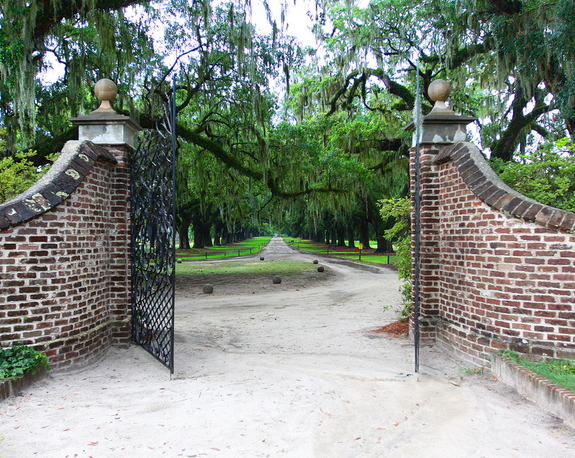
Yesterday, John and I took a mini tour of Boone Hall in Mt. Pleasant, South Carolina. Rather than horse-drawn carriages going through these gates, there was a line of cars waiting to enter.

Image result for boone hall plantation and pecan trees

Boone Hall Plantation is one of America’s oldest working plantations, continually growing crops for over 320 years. This antebellum-era plantation is listed on the National Register of Historic Places.

During the tour of the house, the guide shared its history with us.

The earliest known reference to the site is in 1681 is when a land grant of 470 acres from owner Theophilus Patey, to his daughter Elizabeth and her new husband, Major John Boone as a wedding gift.  The land became known as Boone Hall Plantation though it is unknown when a house was built on the site.

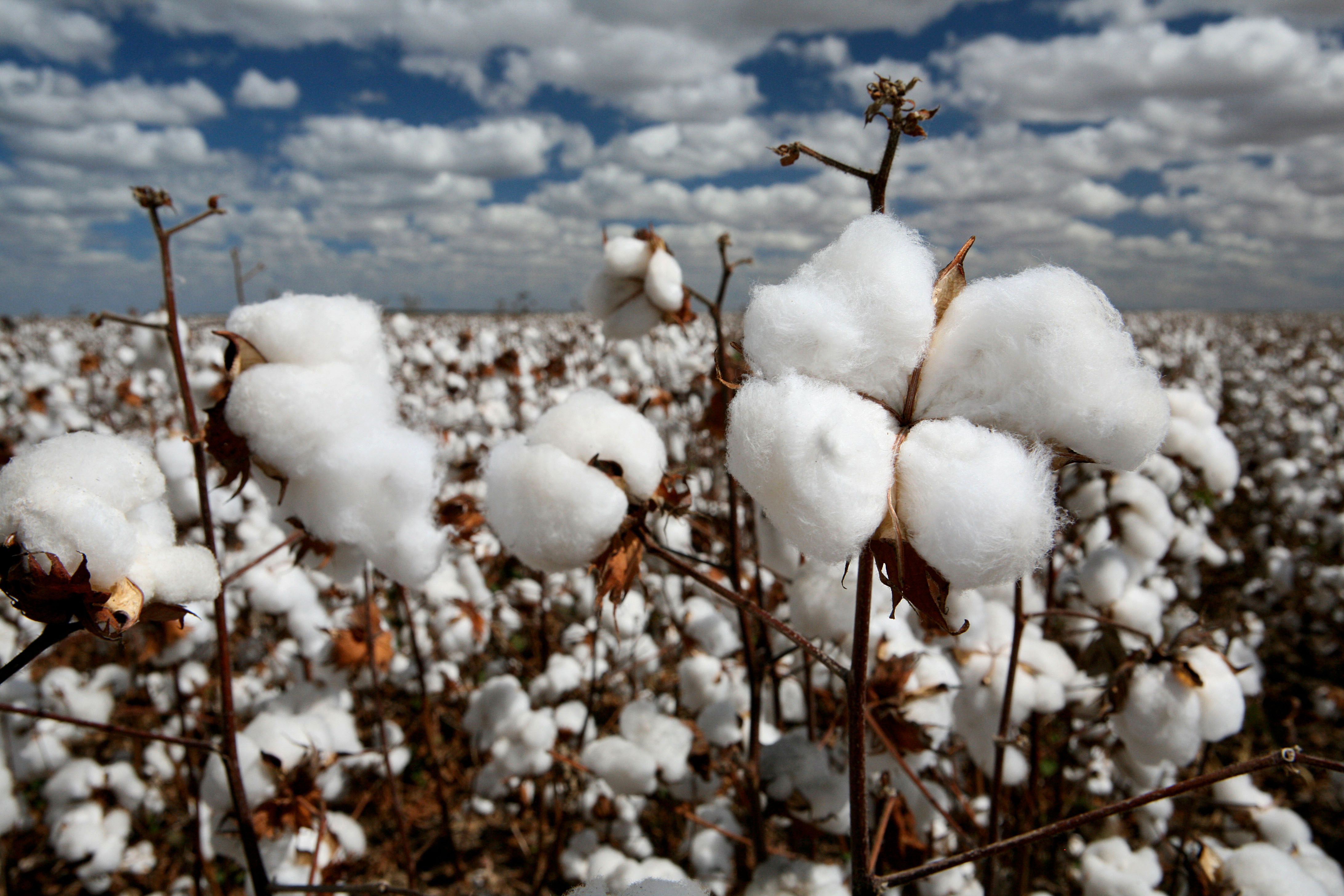
The Boones began growing rice, cotton, and indigo, and thus began a long history of providing Boone Hall crops for the South Carolina low country and the world.

Image result for rice growing in field photo

Image result for field of cotton

The Horlbecks brothers, Henry and John, were architects who designed and built many buildings and landmarks in Charleston, purchased the plantation in the mid 1800’s.  By 1850, Boone Hall was producing 4,000,000 bricks per year using 85 slaves. Besides manufacturing bricks, they ventured into commercial pecan production. The plantings became known as the world’s largest pecan groves in the early 1900’s.

This 1900 house was the residence then.

Image result for boone hall plantation and pecan trees

The Horlbeck family also improved the plantation by completing the Avenue of Oaks that lead up to the plantation house in 1843.

boone hall plantation and gardens


Thomas Stone, a Canadian, bought the plantation in the 1930’s. He built the present house and planted crops such as cabbage, potatoes and tomatoes. The crops became popular low country commodities for shipping to the northern markets.  Mr. Stone used hand made bricks that were discovered in the woods at kilns previously used.

The house is three stories with a full basement and measures about 10,000 square feet. Unlike original plantation houses, the new house has a full-sized kitchen in the house along with seven bathrooms. The first floors houses the kitchen, library, dining room, loggia, and game room. The second floor has seven bedrooms, and the third floor has two rooms, a bathroom, and a full-sized attic.

 But crops have not always been an integral part of this farm.

My husband John has often talked about the Clydesdales that his father owned. Mammy and son Champ helped with the farming, and the four sons loved those horses for their strength, their height, and the excess hair near their feet. The two were gentle, and Champ was young enough to frolic in the field. When Mammy was tired of riders, she would stop, and the riders would simply slide off.

Rather than a tractor, Oliver used the horses to plow, pull the wagon which was his truck, and pull the mower, hayrake, and baler. These horses were trained to only his signals and his voice. For almost 20 years, they worked hard for Oliver until John’s dad died.

Ten of these majestic animals were visiting Boone Hall, so that is why we chose this excursion yesterday on a hot, June day in Charleston. (There is something about going down memory lane that is memorable.) Again there was gentleness, as the small hands of little people gingerly reached through the fences to touch the horses. We patted Ozzie, as he was getting a bath.


And then we went on the house tour to hear more about horses and their past with  Boone Hall.

When the guide mentioned thoroughbreds, my ears pricked up. My dad grew up in Shelbyville, Kentucky, in between Lexington and Louisville. And the Derby run at Churchill Downs, the Keeneland race track in Lexington, and numerous other names flashed in my brain. This is what he shared.

Princequillo (1940-1964) was a thoroughbred race horse conceived in France and born in Ireland. He was known for his performances in long-distance races and his successes as a sire. When World War II broked out, his pregnant mare/mother was shipped to Ireland. As the war escalated and the German bombing of England increased, it was obvious that racing was going to be put on hold. So Cosquilla, the mare, and her colt were shipped to the United States.

Image result for princequillo

In 1940, the Stones sold the plantation to Georgian prince Dimitri Jorjadze and his American wife Audrey. (Jorjadze was a member of the Russian Georgian nobility who became exiled after the overthrow of Tsarist Russia and the Bolshevik takeover.)The prince raced horses under the nom de course, Boone Hall Stable, with the most notable of his horses being Princequillo who in 1943 was the fastest distance runner in the United States.

Prince Dimitri Jorjadze

Jorjadze placed him under the care of future Hall of Fame trainer Horation Luro. Princequillo won several important races at longer distances. He broke the Saratoga Race Course record for 1¾ miles, and his performances were such that he is considered to be the best long-distance runner. Princequillo’s descendants include Secretariat, Triple Crown Winner in 1973:  1977 Triple Crown Winner Seattle Slew; and US Horse of the Year winners, A.P. Indy and Cigar.

Related image

Seattle Slew

Image result for secretariat photo

Secretariat

I truly love seeing random threads come together for weaving, and I loved the tour of the Boone Hall Plantation house. (below)

Image result for boone hall plantation and pecan trees

Winston Churchill – “There is something about the outside of a horse that is good for the inside of a man.”

“I’ll Fly Away”

Ten miles west of the Oklahoma-Arkansas border lies the small town of Spiro, Oklahoma. It was two years before Oklahoma became a state when a baby named Albert E. Brumley was born.

Picture

Growing up in rural Oklahoma, Brumley was born to sharecroppers who picked cotton olike many young people in that day and region. It was not an easy life.

With $3 in his pocket, he walked twenty miles to the Hartford Musical Institute in Hartford, Ark., in 1926. Even though he did not have the financial resources to attend the school, his mentor and head of the school, E.M. Bartlett, allowed him to stay and housed him. He finished his studies in 1931 and eventually bought the Hartford Music Company in 1948.

From 1931, he spent the rest of his life in Powell, Mo., on the banks of Big Sugar Creek with his wife Goldie Edith Schell. Together they raised six children. Goldie encouraged him to send his manuscripts to a publisher, assuring him that the songs had quality and that “any publisher would be glad to publish them.”

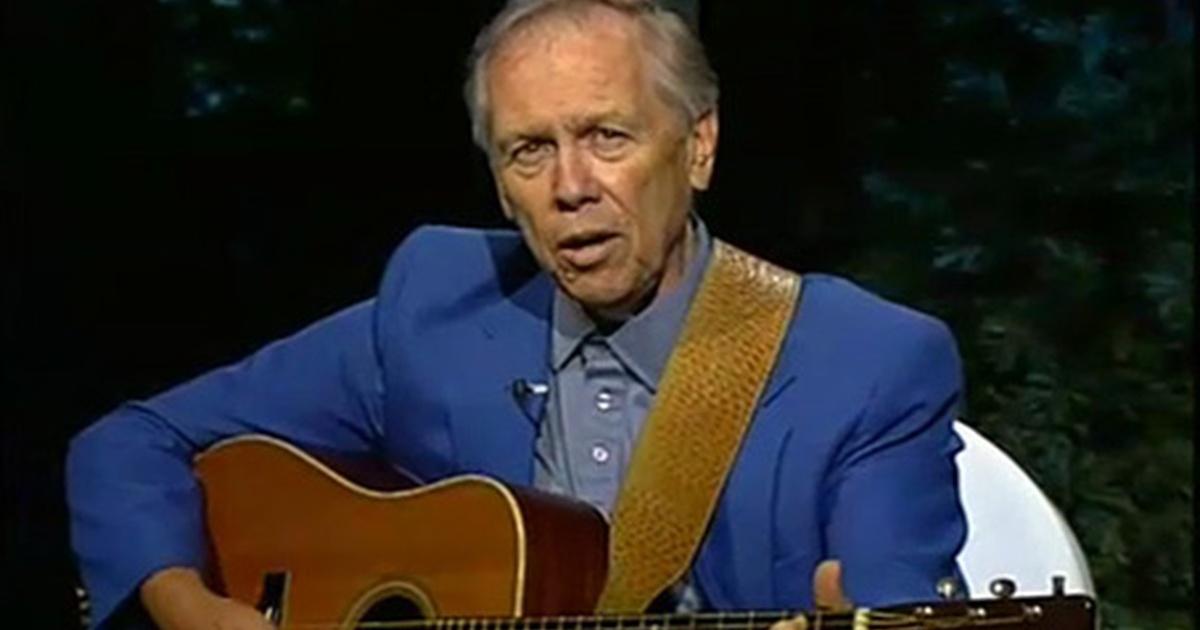
Image result for albert brumley

Anyone who has performed any bit of farm work understands the intense physical and mental labor involved, so there can be no doubting this quote of Brumley’s: “Actually, I was dreaming of flying away from that cotton field when I wrote ‘I’ll Fly Away.’” However, it took on a spiritual meaning, as it became a favorite gospel song.

“I’ll Fly Away,” has been played and sung in some of the nation’s largest auditoriums and presented by one of our country’s most popular music organizations, The Boston Pops Symphony Orchestra. Chet Atkins was the guitar soloist for that presentation.  5,000 versions have been sung by artists all over the world.

Brumley’s rural background made it natural for him to appeal to the common man. Even as a small lad picking cotton in LeFlore County, Oklahoma, he knew he would much rather be involved in music than in any other occupation. As the old saying goes, “it was in his blood.”

Picture

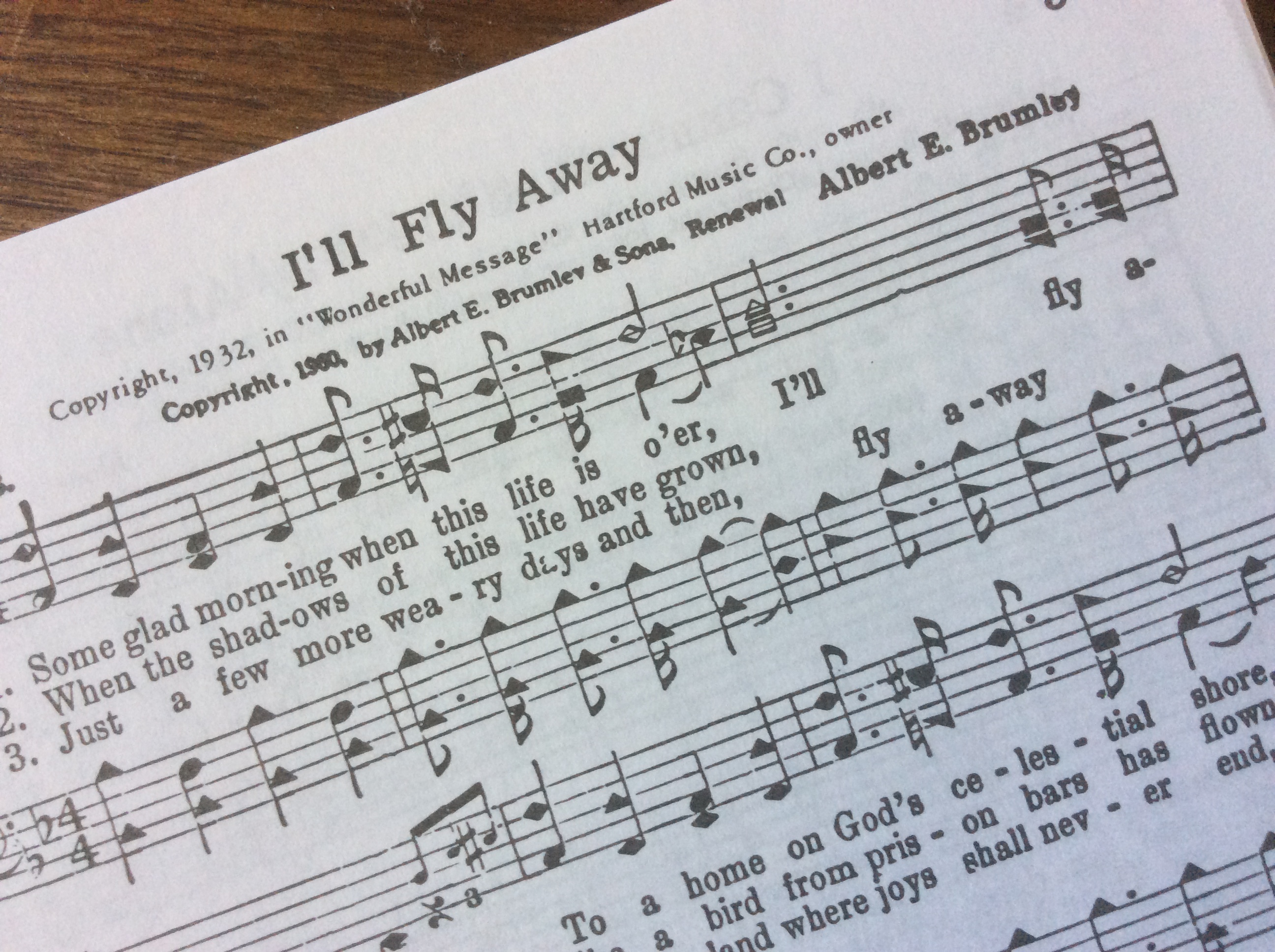
It was published in “The Wonderful Message.”

Acting on Goldie’s advice and encouragement, his first submission to a publisher was “I’ll Fly Away.” As a result, this song, written during The Depression, was carried to the nation by radio and traveling Southern Gospel quartets. People everywhere were receiving renewed hope as they listened to “I’ll Fly Away.”

Image result for albert brumley

A Shel Silverstein said, “Listen to the mustn’ts, child. Listen to the don’ts. Listen to the shouldn’ts, the impossibles, the won’ts. Listen to the never haves, then listen close to me… Anything can happen, child. Anything can be.”
― Shel Silverstein


Perhaps the scripture, “Oh that I had wings like a dove! For then would I fly away, and be at rest.” Psalm 55:6, might have influenced the writing.

Of course, one cannot deny the sheer fun of singing these songs with their rousing melodies that are easily caught by children and adults. Whether in a concert, family get- togethers, or in a church service, singers become participants with this song. There is smiling, patting of feet, and clapping of hands. We used to sing it as a family on our car trips. This simple song has a message that literally carries an audience away. In church, I have heard song leaders say the words of introduction, “Let’s sing a song everyone knows.” Guess which one that is?

Image result for albert brumley

Among the impressive artists who have shared “I’ll Fly Away” are Jerry Lee Lewis, Kanye West, George Jones, Randy Travis, Willie Nelson, Johnny Cash, Merle Haggard, Hank Williams, Sounds of Blackness, Alan Jackson, Crystal Gayle, Jars of Clay, Charley Pride. Loretta Lynn, Andy Griffith, and Elvis Presley.

Alison Kraus sang “I’ll Fly Away” at a concert at Converse College here in Spartanburg about twenty-five years ago. I bought tickets for them to attend, and they both returned smiling. The concert was sold out. You might want to listen to her and Gillian Welsh share it here in the “Brother, Where Art Thou?” Soundtrack.

Albert Brumley’s words matched his song lyrics. It is my conviction and “blessed hope,” too. And, yes, it will be a glad morning….

Image result for albert brumley

Spending years writing and tinkering with melodies and lyrics, Albert Brumley wrote over 700 songs. This country gospel world owes much to this composer, as do we.

My grandmother used to sing “Turn Your Radio On” when she was dusting the farmhouse at Mirror Lake Farm. And, yes, that petite red head kept the rhythm with her feet. Guess who the composer of that popular song was? Mr. Albert E. Brumley….


Faith of the Founders

When the 56 Signers of The Declaration of Independence signed their names to that document, each knew they were committing treason against the British Crown.  If caught and captured, they risked death. But death would not be swift. It would be by hanging to the point of unconsciousness, then being revived, disemboweled, their body parts boiled in oil and their ashes scattered into the wind. Our Founding Fathers valued freedom, for themselves and their posterity, to the extent that they found this fate worth the risk.

Image result for why was the declaration of independence written

Second President John Adams said, “The general principles upon which the Fathers achieved independence were the general principles of Christianity…I will avow that I believed and now believe that those general principles of Christianity are as eternal and immutable as the existence and attributes of God.”

Image result for why was the declaration of independence written

The Declaration of Independence identified the source of all authority and rights as “Their Creator,” and then accentuated that individual human rights were God-given, not man-made.

Image result for why was the declaration of independence written

In that core group of delegates, according to public record were 28 Episcopalians, 8 Pres- byterians, 7 Congregationalists, 2 Lutherans, 2 Dutch Reformed, 2 Methodists,  Roman Catholics, 1 unknown, and 3 deists (those who  believe in an impersonal God), who gave the world its initial impetus but then left it to run its course).

Pictured above: Thirty-three-year-old Thomas Jefferson wrote most of this document. In approximately two weeks, he penned it in two rented rooms in the home of Graff, a noted bricklayer.

The universal words were carefully chosen, but it was individuals who signed their names. The Declaration of Independence was seditious and a break-up letter never to be forgotten.

Image result for why was the declaration of independence written

What were their professions? Twenty-five were lawyers or jurists. Eleven were merchants. Nine were farmers or large plantation owners. One was a teacher, one a musician, and one a printer. These were men of means and education, yet they signed the Declaration of Independence, knowing full well that the penalty could be death if they were captured.

Their commitments were heart-felt. As Abraham Clark said, “Let us prepare for the worst. We can die here but once.”

Five were captured by the British and brutally tortured as traitors. Nine fought in the War for Independence and died from wounds or hardships they suffered. Two lost their sons in the Continental Army. Another two had sons captured. At least a dozen of the fifty-six had their homes pillaged and burned. Seventeen lost everything they owned. The British jailed Francis Lewis’ wife for two months, and that and other hardships from the war so affected her health that she died only two years later.

Thomas Heyward, Jr., Edward Rutledge, and Arthur Middleton, all of South Carolina, were captured by the British during the Charleston Campaign in 1780. They were kept in dungeons at the St. Augustine Prison until exchanged a year later.

Such were the stories and sacrifices typical of those who risked everything to sign this precious document. They were soft-spoken men of means and education who were passionate about their country. They had security, but they valued liberty more. Standing tall, straight, and unwavering, they pledged:

“For the support of this declaration, with a firm reliance on the protection of the Divine Providence, we mutually pledge to each other, our lives, our fortunes, and our sacred honor.” 

Image result for why was the declaration of independence written

The basement of Independence Hall in Philadelphia once served as the city’s dog pound, and the second floor was once the home to Charles Wilson Peale’s museum of natural history. Windows were kept tightly closed, so that others could not hear their discussions. It is said that the elder statesman, Benjamin Franklin, would intentionally trip other delegates from his aisle seat. Serious, thoughtful, careful were the discussions, and sometimes quite loud.

“If we wish to be free, if we mean to preserve inviolate those inestimable privileges for which we have been so long contending, if we mean not basely to abandon the noble struggle in which we have been so long engaged, and which we have pledged ourselves never to abandon until the glorious object of our contest shall be obtained, we must fight!

The distinctions between Virginians, Pennsylvanians, New Yorkers, and New Englanders are no more. I Am Not A Virginian, But An American!” Patrick Henry

Related image

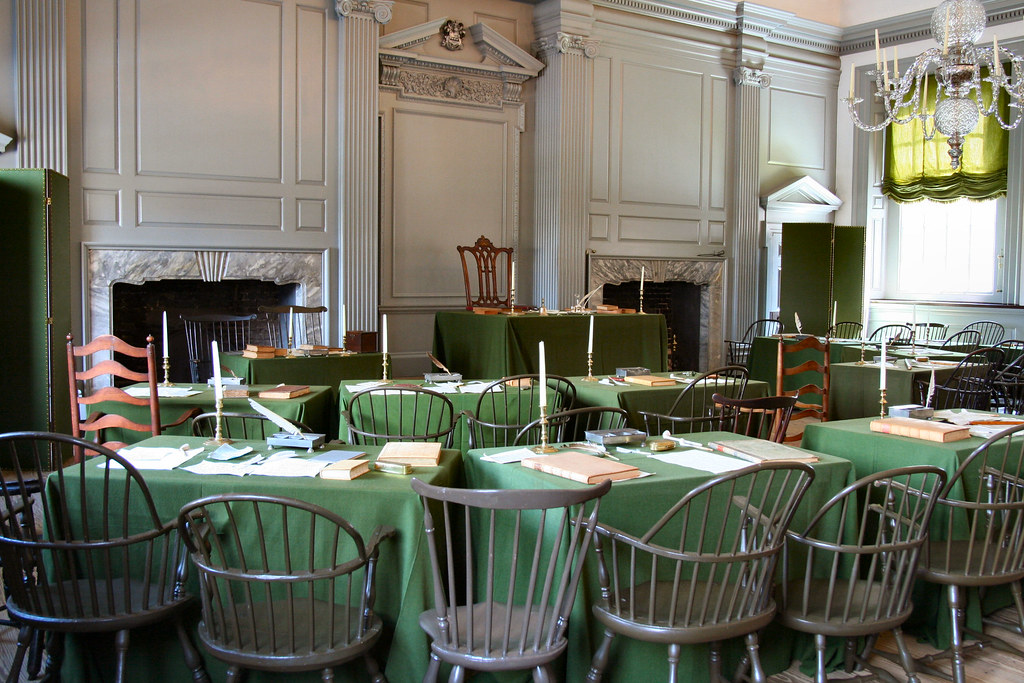
And it happened here in the Assembly Room of Independence Hall in Philadelphia, Pennsylvania.

This is why we celebrate July 4, 1776.

Colonial Charleston Taverns

A century or so leading up to the Revolution, colonial taverns and inns were an essential part of the community. Horses needed frequent rests, and travel by coach and horseback were far from comfortable. In Massachusetts on the roads leading to Boston, taverns and inns were spaced about every eight miles, which worked out to a reasonable journey in the winter cold before a person needed to warm up, inside and out.

Image result for 18th century tavern photo

In the cities and some rural areas, taverns were much more plentiful. The difference between a colonial era tavern and an inn is that the inn offered accommodation, the tavern only food and drink. In the earliest days of the colonies, the term was Ordinary, which stuck around longer in the south. By the end of the 17th century, the word tavern was displacing ordinary along the eastern seaboard.

Related image

Charleston has long been known for its hospitality. With its beautiful houses and churches, a number of taverns have played important roles in the city’s history.

Related image


Taverns were the hub of colonial social and civic activity. This public establishment served multiple purposes, not only for eating and drinking, but also for lodging, conducting business, holding public meetings, staging shows and entertainments, and even serving as post offices.

Before a former bank building was designated as City Hall in 1811, all of Charleston’s civic meetings and courts were held in local taverns.

Image result for 18th century tavern photo

Taverns also played an important role in the city’s philanthropic life, and Charlestown was a philanthropic town. Here gentlemen of various ethnicities and persuasions met regularly, forming benevolent societies to raise funds as they drank in support of newcomers to the colony as well as fellow countrymen who had fallen on hard times.

It is reported that the Holy City boasted more than 100 taverns during the colonial era, among them Dillon’s, Swallows, Gordon’s, Sign of the Bacchus, City Tavern, Henry Gignilliat’s, and the Georgia Coffee House.

Shepheard’s Tavern was established by Charles Shepheard c. 1720 on the corner of Broad and Church streets. The tavern’s “long room” served as the city’s first courtroom; the powerbrokers met here. The South Carolina Gazzette announced the first theatrical play in America was staged here, as was the nation’s first opera, both in 1735. That building burned, but Shepheard immediately rebuilt at the same location using salvaged materials and was accordingly appointed postmaster in 1743. Solomon’s Lodge No. 1 of Freemasons met here in 1754, and the tavern was the birthplace of the Scottish Rite Freemasonry in America, 1801. But perhaps one of the most historically significant activites to take place here was that Shepheard’s served as the meeting place where Christopher Gadsden sparked the flames of the America Revolution among his rebel group that became known as the Sons of Liberty.

Image result for 18th century Shepherds Tavern charleston

In 1773, when the establishment was known as Swallow’s Tavern, the first Chamber of Commerce in America was formed on the site. The St. Andrew’s Society and other fraternal organizations held their meetings and dinners at Shepheard’s. During the Revolutionary period, the tavern was among those that hosted meetings of the Sons of Liberty.

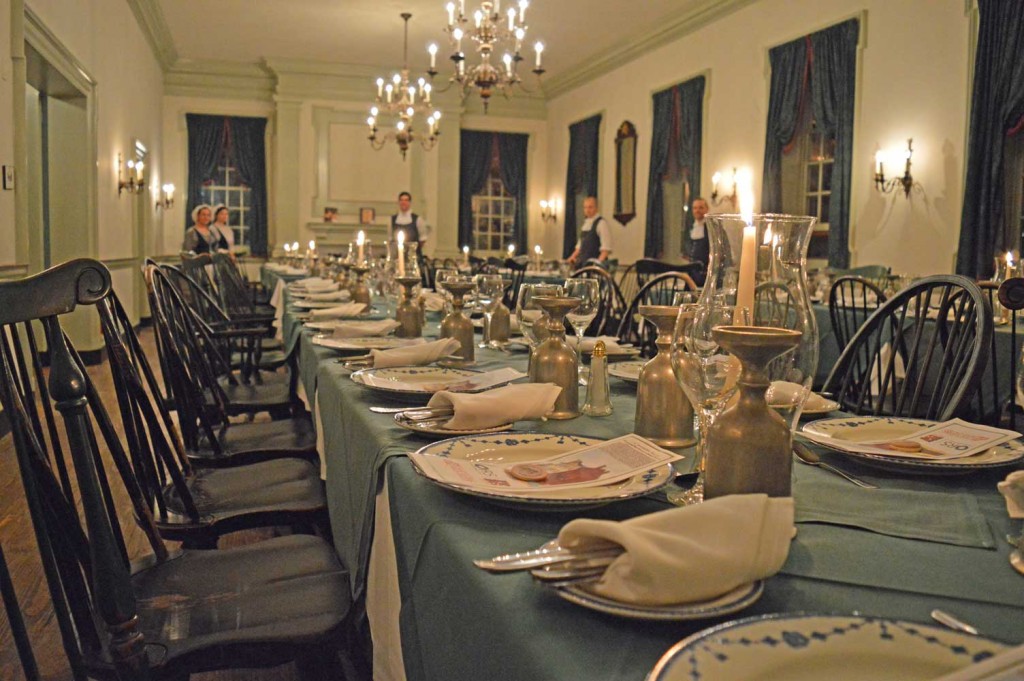
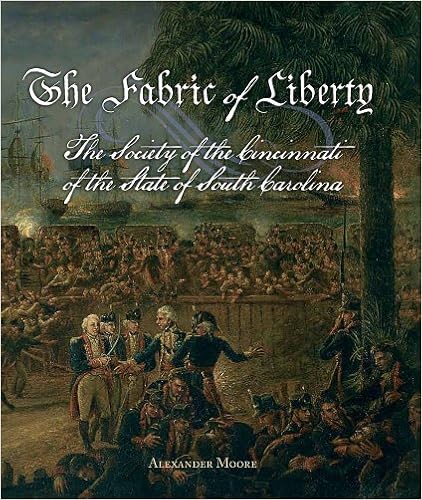
On August 29, 1783, 43 Continental officers assembled at the tavern and formed the South Carolina Society of the Cincinnati. Maj. Gen. William Moultrie, hero of the battle of Fort Sullivan, was elected its first president. Their mission was to preserve the principles of liberty for which its founders had fought during the Revolution and to perpetuate those values through their descendants. This group is the only Southern society to have remained in continuous existence since its founding.

Edward McCrady wore many hats; he is listed as a barber, an inventor, a breeder and racer of horses, and owner of McCrady’s Tavern, the only historic Charleston tavern that still exists as a dining establishment and is listed on the National Register of Historic Places. McCrady built this tavern with a separate kitchen to reduce the threat of fire c. 1779, offering meals, drinks and lodging. A four-story Georgian hous was built on East Bay Street. By 1788, McCrady had completed its “long room,” which was used for banquets and theatrical performances.

McCrady, a devout Patriot, was captured by the British and sent to prison in St. Augustine, Fla., along with other leading Charleston Patriots. After the war, he returned to his home and business, which became the hub of social activity in Charleston in the years following the Revolution. Small wonder then that when President George Washington visited Charleston in 1791, McCrady’s was the site of a magnificent 30-course banquet held in his honor by the Society of the Cinncinati – very appropriate given Edward McCrady’s return to his old business a la old Cinncinatus himself, the consummate citizen-soldier.

Image result for mccradys tavern

The Pink House, 17 Chalmers St., served as a popular local tavern in the 1750s. It has variously been used as a brothel and lawyer’s office, rounding out the more unsavory aspects of its history. In more recent times, the building, made of Bermuda stone with a tile roof, has been used as a residence, art gallery and office space.

American Patriot and tavern owner John Readhimer, who died in May 1826 at the ripe old age of 72, was not only known as a brave soldier, but as a gentleman, devout Christian, honest businessman, and true friend. He is buried in the St. James Goose Creek Chapel of Ease, not far from where he operated his tavern.

Historic maps found in Scotland and the Netherlands indicate that there was a Seafarer’s Tavern here in 1686, which would make it the oldest liquor store in America

Robert Dillon’s two story brick tavern stood in the middle of town. In the 1730’s, it had doubled as a theater and a courthouse before other structures were built. He welcomed classical musical concerts, meetings of the elite jockey club, aid societies, and gentlemen needing a place to conduct business. The Charleston Library Society met there every Wednesday, and the Sons of Liberty were regulars. As one guest said, “There are very few there at any time but those who are playing Back Gammon.” Governor Bull entertained gatherings there.

Benjamin Backhouse also hosted performances at his waterfront tavern, but they were not as refined as at Dillon’s. Sailors, actors, party gentry, and the local Sons of Liberty were frequent guests. As well as back gammon, he offered ten public billiard tables. Gambling and competition were invitated. (Perhaps the games offered made a difference in the venue. Back Gammon is played between two players, and many were involved in billiards.)

At each location, the tavern community began with a friendly glass. Entertainment, business, or politics then followed suit.

Image result for colonial tavern photos

One hundred years later, one of my favorite authors, Henry Wadsworth Longfellow, described an old tavern in The Wayside Inn.

“One Autumn night, in Sudbury town,
Across the meadows bare and brown,
The windows of the wayside inn
Gleamed red with fire-light through the leaves
Of woodbine, hanging from the eaves
Their crimson curtains rent and thin.
As ancient is this hostelry
As any in the land may be,
Built in the old Colonial day,
When men lived in a grander way,
With ampler hospitality;
A kind of old Hobgoblin Hall,
Now somewhat fallen to decay,
With weather-stains upon the wall,
And stairways worn, and crazy doors,
And creaking and uneven floors,
And chimneys huge, and tiled and tall.
A region of repose it seems,
A place of slumber and of dreams,
Remote among the wooded hills!
For there no noisy railway speeds,
Its torch-race scattering smoke and gleeds;
But noon and night, the panting teams
Stop under the great oaks, that throw
Tangles of light and shade below,
On roofs and doors and window-sills.
Across the road the barns display
Their lines of stalls, their mows of hay,
Through the wide doors the breezes blow,
The wattled cocks strut to and fro,
And, half effaced by rain and shine,
The Red Horse prances on the sign.
Round this old-fashioned, quaint abode
Deep silence reigned, save when a gust
Went rushing down the county road,
And skeletons of leaves, and dust,
A moment quickened by its breath,
Shuddered and danced their dance of death,
And through the ancient oaks o’erhead
Mysterious voices moaned and fled.
These are the tales those merry guests
Told to each other, well or ill;
Like summer birds that lift their crests
Above the borders of their nests
And twitter, and again are still.
These are the tales, or new or old,
In idle moments idly told;
Flowers of the field with petals thin,
Lilies that neither toil nor spin,
And tufts of wayside weeds and gorse
Hung in the parlor of the inn
Beneath the sign of the Red Horse.
Uprose the sun; and every guest,
Uprisen, was soon equipped and dressed
For journeying home and city-ward;
The old stage-coach was at the door,
With horses harnessed,long before
The sunshine reached the withered sward
Beneath the oaks, whose branches hoar
Murmured: “Farewell forevermore.
Where are they now? What lands and skies
Paint pictures in their friendly eyes?
What hope deludes, what promise cheers,
What pleasant voices fill their ears?
Two are beyond the salt sea waves,
And three already in their graves.
Perchance the living still may look
Into the pages of this book,
And see the days of long ago
Floating and fleeting to and fro,
As in the well-remembered brook
They saw the inverted landscape gleam,
And their own faces like a dream
Look up upon them from below.”

Oh, to have sat in a corner and listen to Henry Laurens passionately speak against the Stamp Act or eavesdrop on the Charleston Library Society determine what next to read and “see the days of long ago.”

An Old Cherokee Tale of Two Wolves

“Life is a matter of choices, and every choice you make makes you,” says John C. Maxwell.

two-wolves

One evening an old Cherokee Indian told his grandson about a battle that goes on inside people.

He said, “My son, the battle is between two ‘wolves’ inside us all.One is Evil. It is anger, envy, jealousy, sorrow, regret, greed, arrogance, self-pity, guilt, resentment, inferiority, lies, false pride, superiority, and ego.

The other is good. It is joy, peace, love, hope, serenity, humility, kindness, benevolence, empathy, generosity, truth, compassion and faith.”

Image result for two wolves

The puzzled grandson thought about it for a minute and then asked his grandfather, “Which wolf wins?”

The old Cherokee simply replied,  “The one you feed.”

This is such a simple story, and yet so true. I think each and every one of us has these two wolves running around inside us. The Evil wolf or the Good Wolf is fed daily by the choices we make with our thoughts. What you think about and dwell upon will in a sense appear in your life and influence your behavior.

Image result for two wolves

We have a choice, feed the Good Wolf and it will show up in our character, habits and behavior positively. Or feed the Evil Wolf, and our whole world will turn negative: like poison, this will slowly eat away at our soul.

The crucial question for us is “Which are you feeding today?” “Which am I feeding today?”

Our lives are a result of the choices we make. If we don’t like our lives, perhaps it is time to start making better choices. Remember our choices make us.

Image result for two wolves

A Look at Memorial Day

Posted on


The First Memorial Day

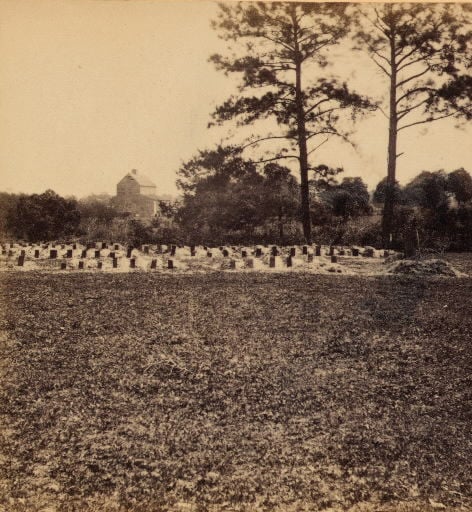
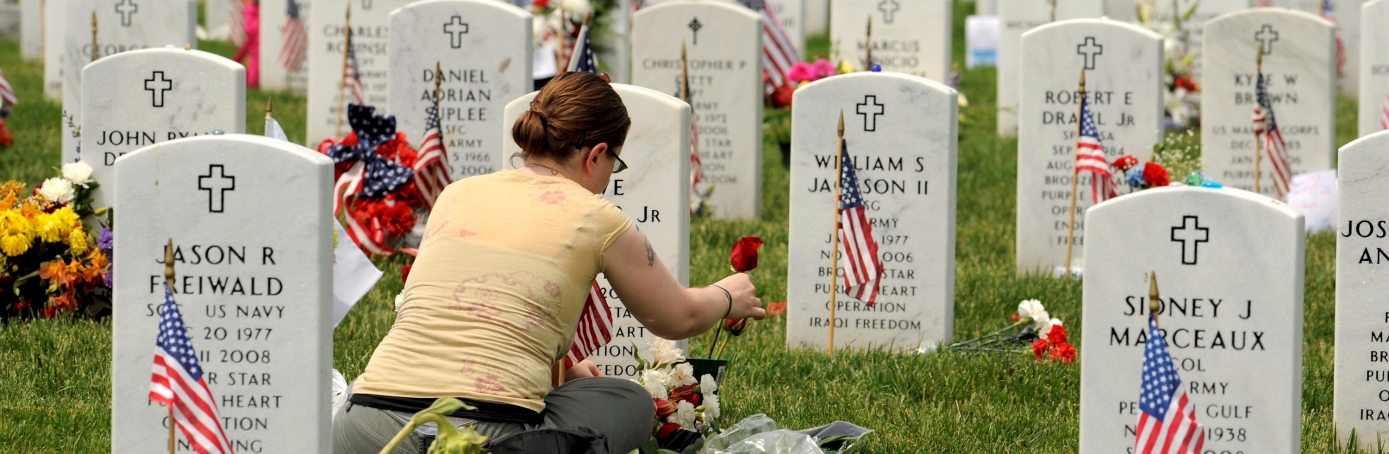
This above April, 1865, photo shows the graves of Union soldiers who died at the Race Course prison camp in Charleston, which would later become Hampton Park.

On May 1, 1865, some 10,000 black Charleston residents, white missionaries, teachers, schoolchildren, and Union troops marched around the Planters’ Race Course, singing and carrying armfuls of roses. Gathering in the graveyard, the crowd watched five black preachers recite scripture and a children’s choir sing spirituals and “The Star-Spangled Banner.”

On that day, former Charleston slaves started a tradition that would come to be known as Memorial Day.

The Charleston Daily Courier published an article about the event entitled “Martyrs of the Race Course.” It reported that the day-long service began with the reading of a Psalm. The crowd sang a hymn, then prayed. Everyone in the procession carried a bouquet of flowers.

Image result for the first memorial day 1865

Rightly named, it was called Decoration Day. These graves were moved to Beaufort National Cemetery in the 1880s and remain there today.

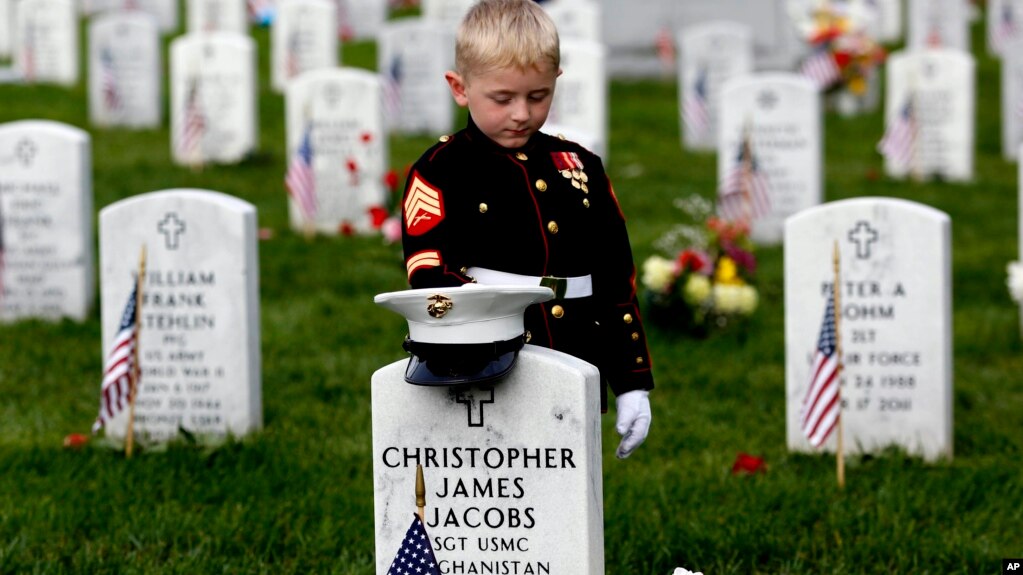
General John A. Logan, a veteran, proclaimed May 30, 1868, Decoration Day, which was “designated for the purpose of strewing with flowers or otherwise decorating the graves of comrades who died in defense of their country during the late rebellion, whose bodies now lie in almost every city, village and hamlet churchyard in the land.” After a speech at Arlington National Cemetery, 5,000 Americans adorned the graves of the more than 20,000 Union and Confederate soldiers entombed at the cemetery.

Related image

For more than 50 years, the holiday was used to commemorate those killed just in the Civil War, not in any other American conflict. It wasn’t until America’s entry into World War I that the tradition was expanded to include those killed in all wars, and Memorial Day was not officially recognized nationwide until the 1970s, with America deeply embroiled in the Vietnam War. It became a national holiday.

Those who have chosen to fight for America have been purposeful in this decision. Before Nathan Hale was executed during the Revolutionary War, he said, “I only regret that I have but one life to lose for my country.”

The long-cherished Memorial Day tradition of wearing red poppies got its start in 1915. While reading Ladies’ Home Journal, a war secretary named Moina Michael came across the famous World War I poem “In Flanders Fields” by John McCrae, which begins, “In Flanders fields the poppies blow/ Between the crosses, row on row.”

Moved, she vowed always to wear a silk poppy in honor of the American soldiers who gave up their lives for their country. She started selling them to friends and co-workers and campaigned for the red flowers to become an official memorial emblem.

The American Legion embraced the symbol in 1921 and continue to give them away today.

Growing up, I remember my dad always stopping to make a donation to the American Legion and receiving a poppy for my brother and me. Honestly, those paper flowers meant little to me then, as I didn’t know the significance. But I do remember the pride in his voice as he presented us with them.

Image result for memorial day remembrance

Despite the increasing celebration of the holiday as a summer rite of passage, there are some formal rituals still on the books: the American flag should be hung at half-staff until noon on Memorial Day, then raised to the top of the staff. And since 2000, when the U.S. Congress passed legislation, all Americans are encouraged to pause for a National Moment of Remembrance at 3 p.m. local time. The federal government has also used the holiday to honor non-veterans—the Lincoln Memorial was dedicated on Memorial Day 1922.

General Norman Schwarzkopf gave tribute to our soldiers. “It doesn’t take a hero to order men into battle. It takes a hero to be one of those men who goes into battle.”


Image result for the first memorial day 1865

Image result for memorial day remembrance

As General George Patton said, “It is foolish and wrong to mourn the men who died. Rather we should thank God that they lived.”

It is no wonder that when we say, “Thank you for your service” to our veterans that we can see a myriad of memories flood their minds.

They gave their tomorrows for our todays "My Knight In Body Armour" By Jacqueline Hurley Port Out, Starboard Home Original Art

Military doctor, Major John McCrae, was seen writing this poem while sitting on the rear step of an ambulance on the day after burying his friend, Lieutenant Alexis Helmer. Among the graves were vivid red poppies spring up in the burial ground.

In Flanders fields the poppies blow
Between the crosses, row on row,
That mark our place; and in the sky
The larks, still bravely singing, fly
Scarce heard amid the guns below.

We are the Dead. Short days ago
We lived, felt dawn, saw sunset glow,
Loved and were loved, and now we lie
In Flanders fields.

Take up our quarrel with the foe:
To you from failing hands we throw
The torch; be yours to hold it high.
If ye break faith with us who die
We shall not sleep, though poppies grow
In Flanders fields.

Let’s not forget that “Each of the patriots whom we remember on this day was first a beloved son or daughter, a brother or sister, or a spouse, friend, and neighbor.” President George H. W. Bush

A Legend Brought to Life — Patti Shene

Posted on

historythrutheages's avatarHiStoryThruTheAges

Today I’m happy to welcome author Pattie Shene as she shares some fascinating history about a legendary man.

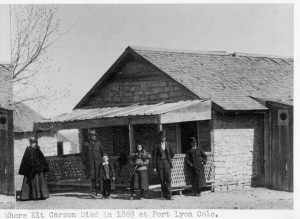
On Christmas eve 1809 in Madison County, Kentucky, a child was born to Lindsey and Rebecca Carson and given the name Christopher Houston Carson. This young man would grow up to be one of the most notorious legends in the west, the famous “Kit” Carson.

Kit encountered tragedy at a young age when his father was killed by a falling tree when Kit was barely nine.. He had a price on his head while still in his teens, when he ran away from an apprenticeship with a saddle maker who offered a reward of one-cent for the return of the boy in a local paper.

He probably never saw the notice, for he had joined a wagon train that took him to the west he yearned to explore. Kit’s many occupations in…

View original post 695 more words

Design a site like this with WordPress.com
Get started