Come one! Come all! It’s Festifall at Walnut Grove!
Watch history come alive at this Upcountry Plantation this weekend.
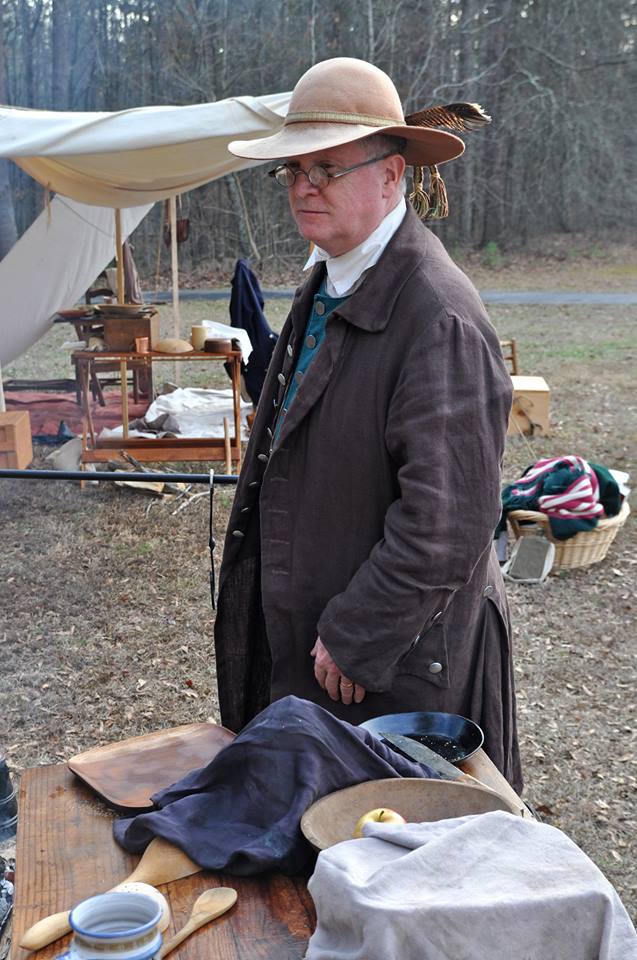
Saturday, October 6
10 am-5 pm
Sunday, October 7
10 am-4 pm
Historic Re-enactments with the South Carolina Independent Rangers
Music
Dancing
Toy making
Storytelling
Cooking
Weaving
Woodworking
Basketry
Candle dipping
Spinning
Enjoy talking to the reenactors who can both tell and show you about how Charles and Mary Moore lived. There was no electricity or indoor plumbing. They had to hunt, fish, or grow their own food. Dishes and utensils were crafted of wood or pewter. Clothes and tools were made. Nothing was easy.
Charles and Mary Moore established the plantation c. 1767. They raised ten children in the house they built and lived in for 40 years. During the Revolutionary War, the Moores, including daughter Margaret Barry/Kate, supported the Patriot cause. Local militia mustered at Walnut Grove prior to the Battle of Cowpens.
Loyalist William “Bloody Bill” Cunningham raided the plantation in November, 1781 and killed a Patriot soldier sheltered by the Moores. There will be a reenactment of this battle.
Robert Frost wrote, “Freedom lies in being bold.” Our immigrant ancestors that fought for their lands were dedicated to staying in America. Loyalists/ Tories were not going to steal it from them.
Dr. Andrew Barry Moore/Dr. Jeff Willis will open his office once again both afternoons for visitors to Festifall. Learn how medicine was practiced during the 18th century. (Leeches were only a part of this story!)
The untrained farmers/militia that fought for our freedom during the Revolutionary War were heroes and heroines that we must not forget. Visiting a celebration like Festifall helps us all to remember the price they paid, lest we forget.
“Freedom is never more than one generation away from extinction. We didn’t pass it to our children in the bloodstream. It must be fought for, protected, and handed on for them to do the same.”–President Ronald Reagan
It’s going to be a fun weekend. I hope to see you there!
In 1974, Johnny Cash released an album that included “That Raggedy Old Flag.” It is a spoken word tribute to the flag of the United States, and it speaks of patriotism and how our flag has led us in battles and wars.
On June 14, 1777, the Second Continental Congress passed the Flag Resolution which stated: “Resolved, That the flag of the thirteen United States be thirteen stripes, alternate red and white; that the union be thirteen stars, white in a blue field, representing a new constellation.
There is mystery over who made the first flag and where it was first flown.
The Betsy Ross story is the most popular, though there is no credible historical evidence to prove it so.
The story started in 1870, almost 100 years after the first flag was supposedly sewn, when William Canby, Ross’s grandson, told the Historical Society of Pennsylvania in Philadelphia that his grandmother made the flag at George Washington’s request. His evidence was based solely on family tradition.
While Ross did make flags in Philadelphia in the late 1770s, it is all but certain that the story about her creating the American flag is a myth. She is attributed with changing the six-pointed star to a five-pointed star, because it was easier to make.
I don’t believe it truly matters as to whom sewed the first flag. Americans love our flag. It is displayed on homes, at government offices, in parades, and at funerals. In our home, we proudly displayed my dad’s folded flag and my husband’s grandfather’s folded flag.
Truly its symbolism can bring a tear to a veteran’s eye or a smile to a child reciting its pledge.
From America the Beautiful to Yankee Doodle Dandy, lyrics about this flag stir our hearts.
Yes, to this continued stirrings of our hearts and our belief that Tis the star-spangled banner: O, long may it wave O’er the land of the free and the home of the brave!
In 1917, President Woodrow Wilson said, “This flag, which we honor and under which we serve, is the emblem of our unity, our power, our thought and purpose as a nation. It has no other character than that which we give it from generation to generation. The choices are ours. It floats in majestic silence above the hosts that execute those choices, whether in peace or in war. And yet, though silent, it speaks to us — speaks to us of the past, or the men and women who went before us, and of the records they wrote upon it.”
Next Sunday, October 7, 2018, there will be a celebration of the Battle of Kings Mountain at Kings Mountain National Military Park in Blacksburg, South Carolina. Join Living History Interpreters for the 238th anniversary encampment of the Battle of Kings Mountain. Learn about the men and women who fought in this significant battle of the American Revolution.
Thomas Jefferson called this battle “The turn of the tide of success.” The battle of Kings Mountain, fought October 7th, 1780, was an important American victory during the Revolutionary War. The battle was the first major patriot victory to occur after the British invasion of Charleston, SC in May 1780. The park preserves the site of this important battle.
A few years ago, I had a book signing at Latta Plantation in North Carolina near Charlotte.
This circa 1800 cotton plantation and living history farm is located within Latta Plantation Nature Preserve. The house is furnished for the 19th era, and the farm shows a possible kitchen garden, cotton fields, and animals of this time.
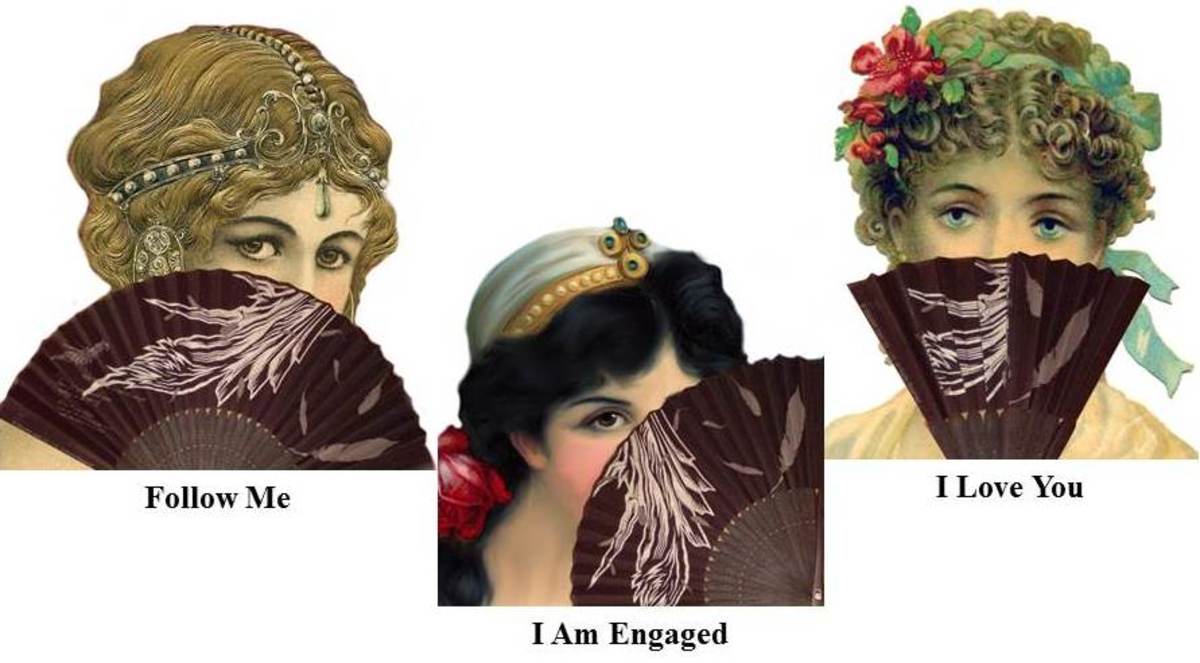
One of the docents shared the history of speaking with fans during those days, and it was fascinating. She was adept at modeling this unknown language, and the children in the room practiced with her. Here are some of the secret messages she shared.
The fan placed near the heart: “You have won my love.”
Resting the fan on the heart: “My love for you is breaking my heart.” Letting the fan rest on the right cheek: “Yes.”
Letting the fan rest on the left cheek: “No.”
Fan held over left ear: “I wish to get rid of you.”
Covering the left ear with an open fan: “Do not betray our secret.”
Fan opened wide: “Wait for me.”
Touching the finger to the tip of the fan: “I wish to speak with you.”
Half-opened fan pressed to the lips: “You may kiss me.”
Putting the fan handle to the lips: “Kiss me.”
Resting the fan on her lips: “I don’t trust you.”
Opening and closing the fan rapidly: “You are cruel”
Quickly and impetuously closing the fan: “I’m jealous.”
Drawing the fan through the hand: “I hate you!”
Fanning slowly: “I am married.”
Fanning quickly. “I am engaged.”
Hands clasped together holding an open fan: “Forgive me.”
Hiding the eyes behind an open fan: “I love you.”
Maybe the “secret” language of fans is really a matter of understanding and interpreting body language and gestures. Just like a skilled poker player learns a person’s “tells”, so can an astute observer interpret another’s use of the fan to discover underlying intent or emotion.
The fan became an ideal instrument of communication in an age in which freedom of speech for women was absolutely restricted. During the Victorian age, women were expected at all times to conduct themselves very discreetly in public; any direct communication of feelings or emotions between men and women was considered particularly undesirable. This made it extremely difficult for a woman to make her wishes known regarding the acceptability of a particular suitor. The language of the hand fan allowed for a woman to convey her desires and feelings to the prospective suitors without betraying the strict code of social etiquette.
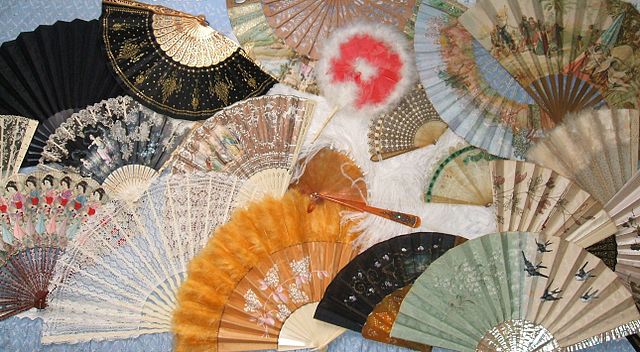
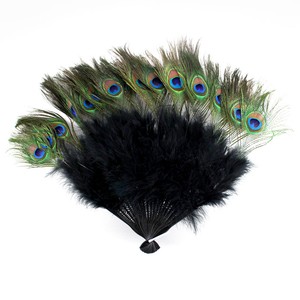
Throughout history, fans have been made from a diverse range of materials. Some of the earliest Egyptian and Chinese fans were made of ostrich or peacock feathers. Leaves of folding fans have been made of animal skins, vellum, paper, lace, silk and other textiles. The first printed fan dates to the 1720’s. Tortoiseshell, ivory, bone, mother of pearl, metal and wood have all been used as guards and sticks.
Hand fans have existed since antiquity with some of the earliest examples seen in ancient Egyptian artwork. Fans then kept flies off the Pharoahs, as well as keeping them cool. The folding hand fan originated in Japan and was introduced into Europe in the 16th century. Since its beginning, the hand fan has been more than a practical means of cooling a person down. In Asia, it assumed an important ceremonial role, and in Europe it became a signifier of status. Elaborate designs and expensive materials showing both taste and wealth.
As a child, I remember folding a sheet of paper to make a fan. It wasn’t precise, but it worked for cooling. Children still make them and decorate them in schools in art classes.
Before the widespread adoption of air conditioning, hand fans played a major role in the comfort of the congregation in many churches, especially in small churches in the South. A simple paper fan could make a long service on a hot day in a small, crowded church bearable. In some rural areas, that’s still the case today.
But religious hand fans are not just for cooling. Their relatively large size and light weight make them an excellent way to display art or information, such as religious art and/or the name of a local business. Many local businesses donate fans with their logo and marketing information on one side and a religious portrait on the other. In a visit to e Bay, you can find vintage fans of all prices.
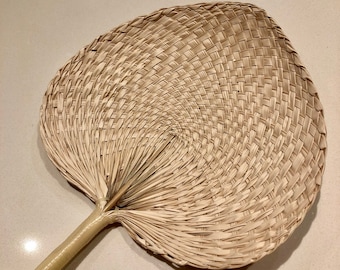
One of my favorite fans is my shell fan made in Charleston. This fan is both pretty and elegant. It is the fan I fan with.
The art of sweet grass basket sewing is alive and thriving at the Charleston City Market, one of the oldest public markets in America. Made out of sweet grass by a talented woman, I bought one she completed while I watched. This “basket lady” continues a tradition of over 300 years; it is one of the nation’s oldest and most beautiful handicrafts of African origin.
On this first day of fall, 2018, with the temps expected to be in the high 80’s here in South Carolina, wondering how many of you still own and use hand fans?
In the Colonial period, tropical storms and hurricanes were known as “September gales,” probably because the ones people remembered and wrote about were those which damaged or destroyed crops just before they were to be harvested.
Charleston was hit on September 25, 1686. It was described as “wonderfully horrid and destructive…Corne is all beaten down and lyes rotting on the ground… Aboundance of our hoggs and Cattle were killed in the Tempest by the falls of Trees…”
But this gale also protected Charleston by preventing a Spanish naval assault on the city. It destroyed one of their galleys and killed the commander of the Spanish attack.
On August 28, 1893, an unnamed storm left its calling card of destruction. This storm made landfall near the South Carolina / Georgia border, winds estimated at over 120 miles per hour, loss of life estimated at more than 2,000 and thousands were left with nothing.
Clara Barton, the American Red Cross founder, launched a 10-month relief effort on the islands and said some 35,000 people lived on the islands were affected.
It would be called The Great Sea Island Storm, as the storm’s strength was so great that a tidal wave that struck at high tide near Hilton Head consumed entire islands. It also spun destruction from Jacksonville, Fla., into New York.
Hurricanes and tropical storms are irregular visitors to coastal South Carolina. Starting in 1851, there is more information about each one. In the period, 1851-2018, thirty-one hurricanes have made landfall on SC. In that same time period, forty-seven, made direct hits on North Carolina.
Last week Hurricane Florence made forty-eight to make landfall in NC.
Winds, rain, and surf overwhelmed parts of North Carolina, and Hurricane Florence shared her visit with South Carolina, too. The images on the television and the internet have been horrifying. For those who were in her path, it has been heart-rending. And now, flooding will take its toll.
North Carolina Gov. Roy Cooper described Hurricane Florence, which slammed into his state early Friday, as “an uninvited brute who doesn’t want to leave.”
Hurricane Hugo attacked South Carolina and North Carolina 27 years ago, but those that lived through its assault have not forgotten its sound and fury.
“The weather on September 21st, 1989 started off not much different than any other late summer or early Fall day. But that all began to change quickly as nighttime approached. For those that decided to stay it was certainly a night they will never forget.”
We don’t have to wait for storms to come into our lives; strong winds of hurt and loss can make us stumble during any day or month. But as Gandalf said, ““All we have to decide is what to do with the time that is given us.”
I watched a DVD series last month called the Winds of War. It was a 1983 miniseries based on books written by Herman Wouk. The plot follows an American family as they face the history before World War II. Even though the circumstances are the same, each individual has different reactions and chooses his own path, just as in life.
In her book, Bird by Bird: Some Instructions on Writing and Life, Anne Lamott tells this story.
“Thirty years ago my older brother, who was ten years old at the time, was trying to get a report written on birds that he’d had three months to write, which was due the next day. We were out at our family cabin in Bolinas, and he was at the kitchen table close to tears, surrounded by binder paper and pencils and unopened books about birds, immobilized by the hugeness of the task ahead. Then my father sat down beside him put his arm around my brother’s shoulder, and said, “Bird by bird, buddy. Just take it bird by bird.”
When we encounter someone who is buffeted by hurricanes, let’s choose to encourage them. In fact, we can walk beside them. That is what friendship is all about.
“He Ain’t Heavy, He’s My Brother”
“The road is long
With many a winding turn
That leads us to who knows where
Who knows when
But I’m strong
Strong enough to carry him
He ain’t heavy, he’s my brother
So on we go
His welfare is of my concern
No burden is he to bear
We’ll get there
For I know
He would not encumber me
He ain’t heavy, he’s my brother
If I’m laden at all
I’m laden with sadness
That everyone’s heart
Isn’t filled with the gladness
Of love for one another
It’s a long, long road
From which there is no return
While we’re on the way to there
Why not share
And the load
Doesn’t weigh me down at all
He ain’t heavy, he’s my brother
He’s my brother
He ain’t heavy, he’s my brother…”
It is a privilege to walk with our brothers and sisters, isn’t it? Let’s walk together!
I have pictures in my mind of my brother Critt and I standing or sitting beside each other as we watched life. He was always to the left of me.
We watched people and vehicles move up and down Wentworth Street in Charleston. I paid attention to the women and their clothes, and he trained his eyes on the cars and bicycles. Our grandparents had a second-floor apartment in a huge house, and the front porch ran the length of it. A sturdy balustrade kept us in, but there was room to look through.
At Lulu’s farm in Kentucky, we climbed a rickety, three-rail fence to watch the cows walk from the barn to the field. Their shifting bodies reminding us of walking boats. We never understood how they knew it was time to wander back to the barn to be milked in the afternoon. It seemed they could tell time.
Critt liked to watch the planes at the Downtown Spartanburg Airport, and he was content to while away more time there than I was. We would lean over the short concrete wall or sit on its top and wonder where the planes were going. I tended to guess Charleston, and he would guess Texas. He enjoyed western movies and programs like our Daddy.
The Spartanburg Downtown Memorial Airport was close to our house, so that is where we went. It is both one of the oldest airports in the country and the first in SC.
On Labor Day weekends, we always went to Hendersonville, NC. Lots of family lived there, and the Apple Festival was the place to be. We had the best seats for the parade, because we sat on the curb. With knees under our chins, we waved our flags and clapped for the different performers.
Childhood memories are often seen through rose-colored glasses. I had never thought about the ways that he and I practiced watching the various processions in our small worlds until recently. We enjoyed the exhibits and learned about variety, as well as appreciated its diversity. It was all so captivating.
Our individual lenses are unique to us, and I enjoy sharing my take on the stories of these forgotten women that I write about. Trying to understand and pay a visit to their worlds is so intriguing, and I thank you for reading about them.
“Sharing tales of those we’ve lost is how we keep from really losing them.”
― Mitch Albom, For One More Day
I believe Mitch Albom knows exactly why I wrote this. Let’s share our stories.
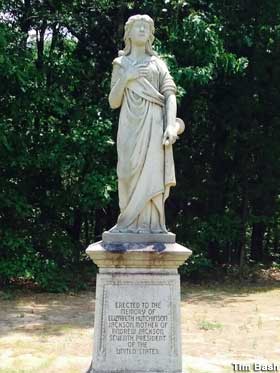
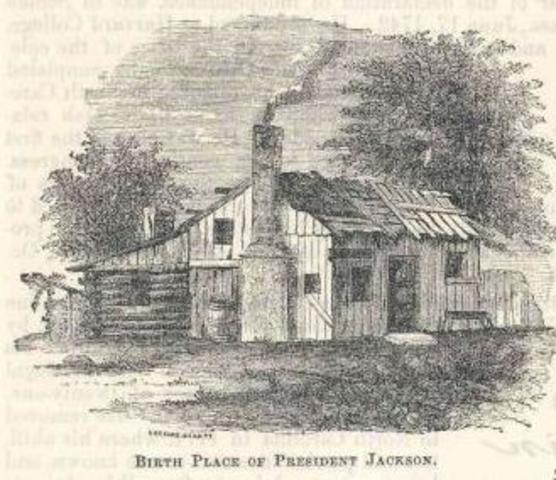
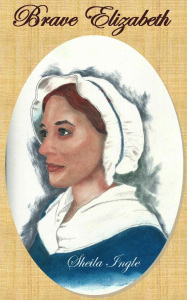
Elizabeth Hutchinson Jackson lived close to the Camden-Salisbury Road in the Waxhaws during the Revolutionary War. Because of her home’s proximity to this busy trek, she met many who traveled to and from Charles Town. News from the war, as well as participation in it, became a routine way of life. Rather than focusing on the seasonal farming of their livelihood, hostilities assaulted their tranquility.
Fighting and battles became the new normal, as the British moved troops to control the colony of Carolina. Men, women, and children all did their part and bore the scars.
Her brother-in-law fought and survived the Battle of Sullivan’s Island. In May, 1780, she nursed the wounded and dying from the Battle of Waxhaws where Banastre Tarleton earned his name Bloody Ban. Her oldest son Hugh, at age sixteen, died at the Battle of Stono Ferry. She relentlessly sought and gained the release of her two younger sons, Robert and Andy, from the British Camden prison. Robert then died from the small pox he caught at the jail. She continued to play a heroine’s role in this war when she left to nurse her nephews on one of the British prison ships in Charles Town’s harbor, and she was buried in an unknown grave after contracting disease from the prisoners.
Setting an example of fortitude and bravery for her family and community, Elizabeth never wavered in making both arduous and costly decisions. Whether it was to board a ship in Ireland with her husband, as well as an infant and two-year-old, to travel to an unknown world or to intentionally travel to a plague-ridden, sea-water jail, this heroine met her life challenges.
Elizabeth’s life story will confront you. As you read about her demanding life in colonial and Revolutionary War South Carolina, I think Elizabeth’s life will captivate you, as she did me. She was one of many ordinary women who lived extraordinary lives. A story-teller and staunch Scotch-Irish Presbyterian, she lovingly took care of her family. Sharing hospitality to both friends and strangers was not a chore, and her home was one of welcome.
I recommend reading Elizabeth Hutchinson Jackson’s fictionalized biography. There are more details about the Revolutionary War in South Carolina than in my other two. This character-driven book shares the every- day life of a woman who defends her hearth and home in the cause of freedom and liberty.
John Adams said, “Let us dare to read, think, speak and write.”
There is nothing like watching a parade from the curb of Main Street. The floats, antique cars, and bands mesmerized us. Each blast from the band, waves from those in cars, and the laughing clowns were within touching distance of my brother and me at the annual Hendersonville, NC Apple Festival Parade.
Since our grandparents and great grands lived in the town, Labor Day was always the destination for this holiday. The parade was in the afternoon, but there was lots to see in the meantime.
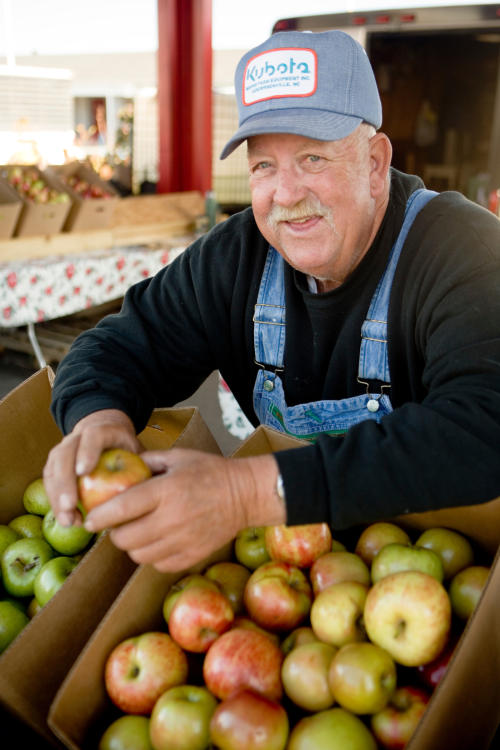
Apples were everywhere. Local growers and orchard owners anchored every corner along Main Street, selling everything from apple cider and apple turnovers to apple pie and apple ice cream to candy apples. It was apple heaven, and we loved it.
This hometown celebration was a highlight of the year. It was all about fun!
The city closed the streets and opened them to vendors and foot traffic. Restaurants, antique stores, McFarland’s Bakery, and boutiques opened their doors to invite the public in.
Each year, more and more people celebrate the weekend there. Whereas it was once one day, now it is four days.
Apples are one of the most important agricultural crops grown in Henderson County, NC. In fact, they generate an average income of 22 million dollars each year! The NC Apple Festival celebrates Western North Carolina’s rich agricultural history and the great apple harvest which takes place each autumn. It features arts and crafts, free entertainment, and all of the things that we love about autumn in Western North Carolina.
The 2018 NC Festival kicks off on Friday, August 31, with live entertainment by the Buddy K Big Band. If you love swing jazz and the music of Les Brown, Count Basie, and Glenn Miller, then you need to check out this dynamic group! On Sunday, September 2, you can look forward to the smooth sounds of Atlanta Pleasure Band with covers from Motown to Downtown.
North Carolina is the 7th largest apple-producing state in the nation and Henderson County is the largest apple-producing county in North Carolina – with 20+ varieties. Because of the nine blocks of vendors, there will be plenty of apples to buy at the festival!
GRANDMOM’S APPLE PIE
5 to 6 cooking apples (Rome apples a good choice)
3/4 cup sugar
3 tablespoons corn starch
2 tablespoons lemon juice or 1 tablespoon vinegar
3 tablespoons cinnamon
1/4 teaspoon nutmeg
3 tablespoons butter
Dash of salt
2 pie crusts (top and bottom)
Peel and slice apples. Add lemon juice and toss. Sprinkle some of sugar and cinnamon in bottom of crust. Add 1 tablespoon of cornstarch. Put half of apple slices in crust. Add half of sugar, cinnamon, nutmeg and 1 tablespoon cornstarch. Repeat layering of apples, sugar, cinnamon, nutmeg and cornstarch. Apples will pile high in crust. Dot with butter. Top apples with second crust. Seal crust. Cut vents in top. Bake 50 to 60 minutes or until done. Yield: 8 generous servings.
Source: NC Department of Agriculture
For sixty years, visitors to downtown Hendersonville have enjoyed a weekend of celebrating the changing of the seasons. Since 1946, Hendersonville has bidden farewell to summer and welcomed apple season with the N.C. Apple Festival.
The event owes its longevity to the continued significance of the apple-growing industry to Henderson County. As noted on the festival’s website, the fruit has been influential in the area since the 1700s, and the region currently has about 200 growers, accounting for 65 percent of the apples harvested in North Carolina. Annually, the industry brings an average of $22 million to the region.
In case you are wondering, we will go to the Apple Festival again this year, and no, I won’t sit on the curb to watch the parade. But we will buy apples, and there will be an apple pie in my oven next week.
“An apple tree is just like a person. In order to thrive, it needs companionship that’s similar to it in some ways, but quite different than others.”
― Jeffrey Stepakoff
Lucile Hitt Collins, my grandmother, was a diligent and enthusiastic researcher of the stories of history. She shared them with all listeners, including her grandchildren.
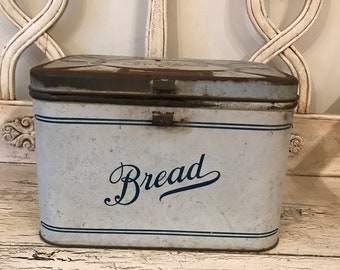
Yesterday, I was going through again her “bread box.” Yes, at one time, there were loaves of her salt rising bread in it. As a child, I remember opening it, only to savor the pungent smell.
When she quit baking, it became a treasure trove of old newspaper clippings, her notes on our family, and reminisces of her childhood in Versailles. I am the blessed keeper of the bread box today.
I was going through it to find some information about great grandmother. Bommie Collins was a poet, and I have a typed copy of one of her poems. And, of course, I was waylaid by something else. It’s interesting how a piece of writing leads to other stories and writing pieces. (Yes, you writers and readers are nodding your heads in understanding of exactly what I am talking about.)
Lulu had cut out a copy of a newspaper Letter to the Editor that she had written. It doesn’t smell of old ink after fifty years, but it is full of a description of the world in 1849.
“I found this old sale bill among my clippings, and thought you might enjoy the interesting sidelight it gives on change during the past 122 years.
Sale-Having sold my farm I am leaving for Oregon territory by ox team, and will offer on March 1, 1849, all my personal property, to wit:
All ox teams except two teams, Buck and Ben and Tom and Jerry; two milk cows, one gray mare and colt; one pair of oxen and yoke, one baby yoke; two ox cars; 1 iron foot of poplar weather boards, plow with wood mole boards; 800-1,000 3 ft. clapboards; 1500 10-foot fence rails; 1 60-gal. soap kettle, 85 sugar troughs made of white ash timber; 10 gals. of maples syrup;
Two spinning wheels; 30 lbs. mutton tallow; 1 large loom made by Jerry Wilson; 300 poles; 100 split hoops; 1 empty barrels; 1 32-gal. whiskey-seven years old; 2 gals. of apple brandy; 1 4-gal. copper still.
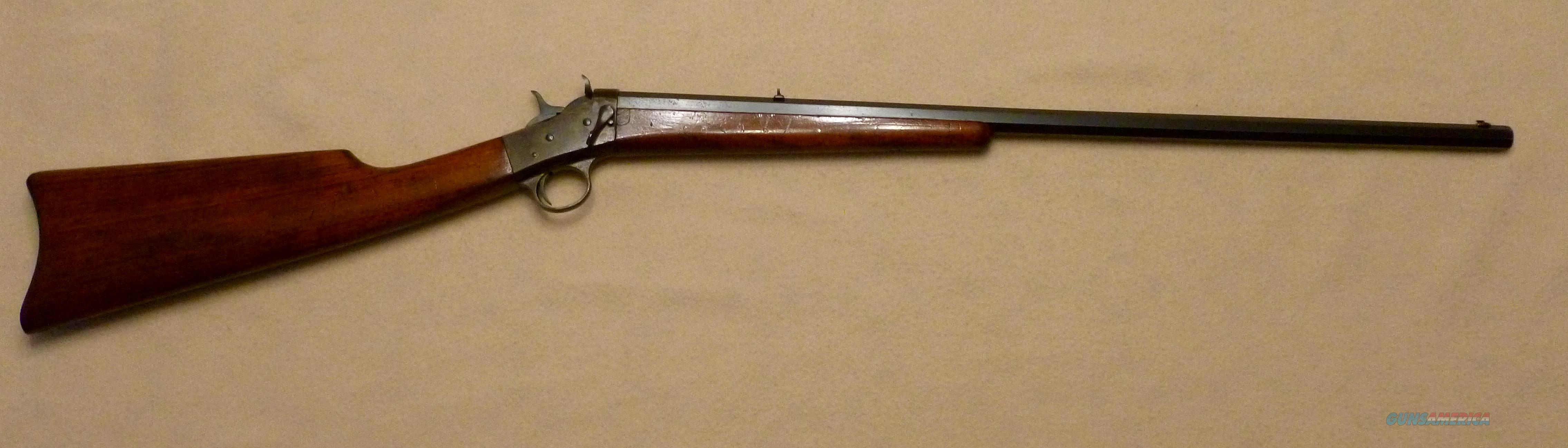
One doz. real hooks;two handle hooks; 3 sythes and cradles; 1 doz. wooden pitchforks; one-half interest in tan yard; one .32 caliber rifle; bullet mold and powder horn; rifle made by Ben Miller;
Fifty Gal. of soft soap; hams, bacon, and lard; 4o gal. of sorghum molasses; six head of fox hounds, all soft-mouthed except one.
At the same time I will sell my six negro slaves-2 men 35 and 50 years old, 12 and 18 years old; 2 women, 4 and 3 years old. Will sell together to same party and will not separate them.
Terms of Sale, cash in hand, or note to draw 4% interest with Bob McConnell as my security.
My home is to miles south of Versailles, Ky. on McCouns Perry Pike. Sale begins 8 o’clock am. Plenty to eat and drink. J. L. Moss”
Did you notice the names of two of the oxen, Tom and Jerry? Way before Walt Disney created those characters, those were popular names. How about all that molasses? Obviously, Jerry Wilson and Ben Miller were familiar artisans of note. Included for sale were so many staples that I wonder about the wife who had taken such good care of her household to have extra soft soap and tallow for candles.
I noticed that none of the cast iron pots and skillets were put up for sale. These necessaries could be used over the camp fires on the prairies, as well as in the wood fireplaces in the home.
President Herbert Hoover said, “My conception of America is a land where men and women may walk in ordered freedom in the independent conduct of their occupations; where they may enjoy the advantages of wealth, not concentrated in the hands of the few but spread through the lives of all; where they build and safeguard their homes, and give to their children the fullest advantages and opportunities of American life; where every man shall be respected in the faith that his conscience and his heart direct him to follow; where a contented and happy people, secure in their liberties, free from poverty and fear, shall have the leisure and impulse to seek a fuller life.”
Mr. Moss chose to sell much of what he had to seek a new life in Oregon. He heard the call of “Go west, young man.” I wish I knew the rest of his story, don’t you?
After the fall of Charleston SC in May 1780, the British army worked to win support for King George III and put an end to any uprisings from the Patriots.
In July, American General Horatio Gates moved his army of 5000 troops into South Carolina to push General Charles Lord Cornwallis out of this Southern colony. Unfortunately, because of false information and sick men, on August 16, Gates was defeated at Camden. And then General Thomas Sumter lost to the British at Fishing Creek.
At twilight on August 18, 1780, 200 mounted militiamen left their Broad River camp near the North Carolina border and headed south. Their attack goal was a Tory encampment at Musgrove’s Mill on the south side of the Enoree River. The commanders were Colonels Issac Shelby, Elijah Clark, and James Williams.
Traveling through the darkness, they covered approximately forty miles to reach to arrive above the river for their surprise attack. It was a long, arduous, and tense night, as they galloped across rivers and streams. At sunrise, the march ended about half mile from Musgrove’s Mill. An enemy patrol then stumbled upon them.
But they arrived in the area only to receive some other unwelcome news. The Loyalists had been reinforced. Instead of attacking a camp of 200 men, the Patriots would be attacking a camp of 500.
The Patriot commanders struggled to make a decision. Their horses had been ridden hard all night and were too tired to continue. The scouts also told them of the additional 300 British troops, who had arrived the day before. How to still have an advantage over a larger force was a necessity, so a final plan was made to drive the enemy out.
These Patriot militia had learned guerilla warfare from fighting the Cherokee. Using those tactics, a band of about twenty men under Captain Shadrach Inman crossed the Enoree and engaged the enemy. The small group, faking confusion, retreated, luring the Loyalists with them until all were nearly on the Patriot line.
Waiting, like a cat does for a mouse, the some partisans took up a stand across the road and took the high ground. The surprised Loyalists fired too early. The Patriots held their fire until the Loyalists got within killing range of their muskets.
Cracks of musket fire and shouts destroyed the silence of the river. Men dressed in homespun and others in scarlet red soon lay side-by-side. Years after the battle, Colonel Shelby wrote that “the smoke” from the battle of Musgrove’s Mill was so thick as to hide a man at the distance of twenty yards.
The whole battle took less than an hour. As the Patriots shrieked Indian war cries, sixty- three Tories were killed, and seventy were taken prisoner. The Patriots lost only four men, including Captain Inman.
The untrained militia defeated the seasoned Tory troops in a hit-and-run attack. Small successes, like this one, gave confidence to the partisans. Neither having to monitor and adjust their battle plan or the extreme Carolina heat kept the Patriots from winning their prize. Huzzah!
“[L]iberty must at all hazards be supported. We have a right to it, derived from our Maker. But if we had not, our fathers have earned and bought it for us, at the expense of their ease, their estates, their pleasure, and their blood.” John Adams
A formal Revolutionary War Battle Commemoration Ceremony will take place at the Visitor Center location at 10 a.m. on Saturday, Aug. 18, 2018. It will be a celebration to enjoy and another opportunity to celebrate our freedom.
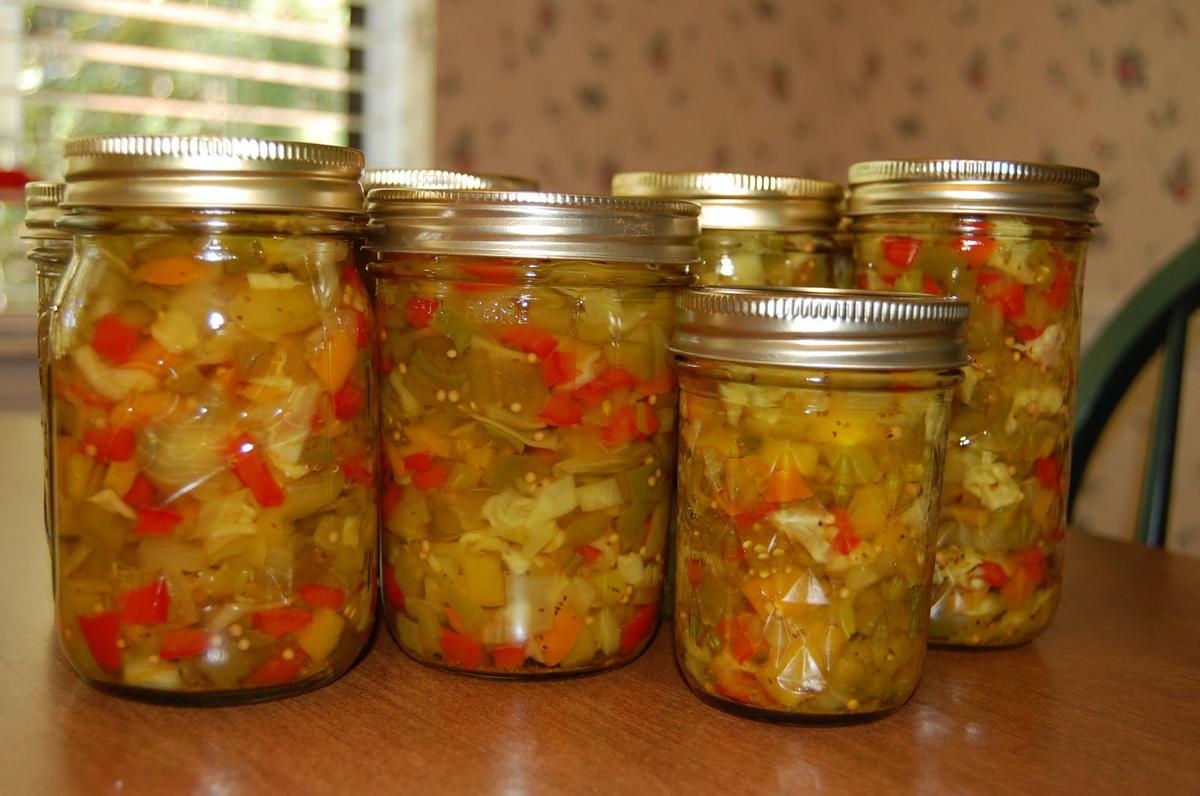
My granny/great grandmother/Minnie Earlene Justus made chow chow. She used what was in her garden in Hendersonville, North Carolina. Whether she was at the Rock House, the boarding house, or her little two-bedroom cottage on Kanuga Road, she always planted a garden. Along with her melt-in-your-mouth biscuits, there was always a pint jar of chow chow on the table.
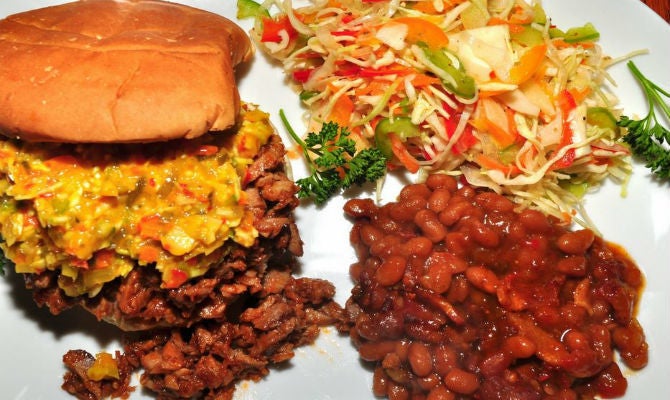
I learned early that I did not like what was in that jar or in her glass dish served with all that wonderful food. In later years, I noticed my dad didn’t care for it either. This didn’t keep my mom from having it available in the frig; she enjoyed it with beans and pork. She even put it on hot dogs sometimes.
Chow chow is popular in parts of the American South, Pennsylvania, New Mexico, and Appalachia. It’s made by combining a whole lot of different vegetables (usually with a cabbage and/or green tomato base) with vinegar to quickly pickle the vegies.
It is one of those end of the season recipes that utilizes things that are quickly fading from the backyard garden. It’s a way to use those tomatoes that are still on the vine, but will never turn ripe before the first frost gets them. So this is usually made in the fall. That goes for the other vegetables that are included in it. Some folks use cucumbers, some use cauliflower, some use pretty much just cabbage. If you start looking for recipes, you’ll find lots of variations.
Of course, if there is an abundance during the growing season, it makes sense to make a batch then.
And before you get confused about this word, this is not that cute dog that I am writing about this morning.
Have you ever eaten chow chow? If you live in the South, you might have. It is part slaw, part pickled relish, and part side dish. The mixture is served cold, and some variations also kick it up with condiments like ketchup and mustard. It’s tangy, sweet, a little spicy, crunchy, and it pairs well with just about any savory food.
John’s mother used to make it, but none of her sons liked it either. Wonder if it is a generational, as well as regional food?
As to the origins of chow chow, the late Southern food historian John Egerton believed the origins of chow-chow began in the sauces brought over by Chinese railroad workers in the 19th century. The Food Lover’s Companion links it to a ginger-and-orange-peel condiment of that same Chinese origin, but it bears little resemblance to what we call chow-chow today. Others say that the name originated in the French language, where the word cabbage is chou. As it became popular, family recipes over a century were handed down from grandparents. (This makes sense as to how it came into our home.)
The Amish – especially of Lancaster County – have become well known for their chow chows. Chow chow has established itself as a favorite “end of garden” relish for many Amish cooks. They include string beans, celery, corn, kidney beans, and carrots. Perhaps, theirs is another way to consume leftovers.
The process of making it is easy. Chop and combine cabbage, corn, onion, green tomato, hot pepper, garlic, mustard seeds, coriander, and celery. Toss with vinegar and honey. Boil water, add vinegar, and pickling spices in a large pot. Add sugar for sweetening. Bring it to a boil for about five minutes until tender. Cool it off and put it in the fridge. There are many versions available on the Internet for you to personally check out.
Preserving family recipes, as well as stories, is important to me, as you know. I guess the chow chow delicacy stops with John and me. And, I love pulling out those old recipes, written by their hands, to cook and share with my family and friends. Giving those women credit puts a smile on my face.
I agree with one of my favorite authors. “I hold that a strongly marked personality can influence descendants for generations,” said Beatrix Potter.
If you are interested in buying chow chow, Bellew’s Market in Spartanburg and the Hendersonville Farmer’s Market still sell it.
When I think about my mountain, Appalachian roots, I see strength in Granny and on up her family line. They made do with little and stretched everything feasible to feed their families. Chow chow seems to be another sign of that by using the left-overs from the garden. Their hands were hardened with work, as well as rearing children. They fought hard for their families. Survival was based on know-how, and I guess that also includes knowing how to make chow chow.
This post has not been what I thought it would be today. I really thought I was going to share information about an old recipe that I didn’t particularly care for. What happened is another realization about the heritage the women in my family tree have passed on to me.
As C. S. Lewis wrote, “Experience: that most brutal of teachers. But you learn, my God do you learn.”
























 Sheila Ingle